Struggling with BPH symptoms? Could your diet be the key to relief?
Benign Prostatic Hyperplasia (BPH), commonly known as an enlarged prostate, affects millions of men worldwide, particularly as they age. This non-cancerous condition can lead to uncomfortable urinary symptoms, including frequent urination, a weak stream, and the feeling of incomplete bladder emptying. While medical treatments are available, a growing body of research highlights the profound impact that diet can have on managing BPH symptoms and promoting overall prostate health.
Many men are unaware that their daily food choices could be contributing to or alleviating their prostate issues. This article will delve into the critical connection between what you eat and the health of your prostate, guiding you through the essential foods to embrace and those to avoid. By making proactive dietary changes, you can empower yourself to better manage BPH symptoms and improve your quality of life.
The Crucial Link Between Diet and Prostate Health
Your prostate gland, a small organ located beneath the bladder, plays a vital role in the male reproductive system. As men age, it's common for this gland to enlarge, a condition known as Benign Prostatic Hyperplasia (BPH). This enlargement can compress the urethra, leading to various urinary problems. While the exact causes of BPH are complex and multifactorial, including hormonal changes, genetics, and lifestyle, scientific evidence increasingly points to diet as a significant modifiable factor.
A diet rich in anti-inflammatory foods, antioxidants, and specific nutrients can help mitigate the factors contributing to prostate enlargement and inflammation. Conversely, a diet high in processed foods, unhealthy fats, and certain animal products can exacerbate symptoms and potentially accelerate BPH progression. Understanding this connection empowers you to make informed choices that can significantly impact your prostate health and overall well-being. It's not just about managing symptoms; it's about fostering a healthier environment for your prostate.
💡 Key Takeaway
Dietary choices profoundly influence BPH symptoms and prostate health. Adopting a prostate-friendly diet can reduce inflammation, balance hormones, and improve urinary function, offering a natural pathway to better managing an enlarged prostate.
Foods to Embrace for Optimal Prostate Health
Incorporating specific foods into your daily diet can provide your prostate with the nutrients it needs to thrive, potentially reducing BPH symptoms and supporting overall health. Focus on a vibrant, plant-rich diet.
🌿 Vegetables, Especially Leafy Greens and Cruciferous Varieties
Leafy green vegetables like spinach, kale, and collard greens are packed with vitamins, minerals, and antioxidants that combat inflammation and oxidative stress. Their high content of chlorophyll, carotenoids, and flavonoids makes them powerful allies against cellular damage. Aim for several servings daily to maximize their protective effects.
Cruciferous vegetables such as broccoli, cauliflower, Brussels sprouts, and cabbage contain compounds like sulforaphane and indole-3-carbinol (I3C). These compounds have been extensively studied for their anti-cancer properties and their ability to help regulate hormone levels, particularly estrogen, which can play a role in prostate growth. Regular consumption of these vegetables is a cornerstone of a prostate-friendly diet.
🍅 Fruits, Especially Berries and Citrus
Fruits are rich in antioxidants, vitamins, and fiber. Berries (blueberries, strawberries, raspberries) are particularly high in anthocyanins and other antioxidants that protect cells from damage and reduce inflammation. They also have a low glycemic index, which is beneficial for overall health.
Citrus fruits like oranges, grapefruits, and lemons are excellent sources of Vitamin C, a powerful antioxidant that supports immune function and cellular health. While some studies suggest a link between high vitamin C intake and reduced BPH risk, moderation is key, especially if you have acidic sensitivities.
🥑 Healthy Fats: Avocados, Nuts, Seeds, and Olive Oil
Not all fats are created equal. Incorporating sources of healthy fats is crucial. Avocados are rich in beta-sitosterol, a plant sterol that has shown promise in reducing urinary symptoms associated with BPH. They also provide monounsaturated fats, which are heart-healthy.
Nuts and seeds, such as walnuts, almonds, flaxseeds, and pumpkin seeds, are powerhouses of nutrients. Pumpkin seeds, in particular, are lauded for their high zinc content, which is vital for prostate health. They also contain beneficial plant compounds that may help reduce prostate swelling and improve urinary flow. Flaxseeds are rich in omega-3 fatty acids and lignans, which can help balance hormones.
Olive oil, especially extra virgin, is a staple of the Mediterranean diet and is known for its anti-inflammatory properties due to its high content of monounsaturated fats and polyphenols. Using it as your primary cooking oil can significantly benefit your prostate and cardiovascular health.
🐟 Fatty Fish (Omega-3 Rich)
Cold-water fatty fish like salmon, mackerel, sardines, and trout are excellent sources of omega-3 fatty acids (EPA and DHA). These essential fatty acids are renowned for their potent anti-inflammatory effects throughout the body, including the prostate. Chronic inflammation is a known contributor to prostate enlargement and other prostate issues. Aim for at least two servings of fatty fish per week to reap these benefits. If fish is not an option, consider a high-quality omega-3 supplement.
🥚 Legumes: Beans, Lentils, and Soy Products
Legumes are rich in fiber, protein, and various micronutrients. They also contain phytoestrogens, plant compounds that can help balance hormone levels, which may be beneficial in managing BPH. Studies suggest that a higher intake of legumes, including various types of beans and lentils, can be associated with a reduced risk of BPH. Fermented soy products, like tempeh and miso, also contain isoflavones that may have protective effects on the prostate, though the research on soy's impact on prostate health is still evolving.
☕ Green Tea
Green tea is celebrated for its high concentration of catechins, particularly epigallocatechin gallate (EGCG), a powerful antioxidant. EGCG has been shown to have anti-inflammatory and anti-proliferative effects, meaning it can help inhibit the growth of prostate cells. Regular consumption of green tea has been linked to a reduced risk of prostate conditions. Consider swapping your morning coffee for a cup of green tea.

💧 Water
While not a food, adequate hydration is paramount for urinary tract health. Drinking plenty of water helps flush toxins from the body and keeps the urinary system functioning efficiently. Many men with BPH restrict water intake to avoid frequent urination, but this can lead to concentrated urine, which may irritate the bladder and worsen symptoms. Aim for clear, pale yellow urine as an indicator of proper hydration. Spread your water intake throughout the day, but consider reducing it a few hours before bedtime to minimize nighttime trips to the bathroom.
Foods to Avoid or Limit for Better Prostate Health
Just as certain foods can support prostate health, others can exacerbate BPH symptoms and contribute to inflammation. Limiting or avoiding these items is a crucial step in managing an enlarged prostate.
🥩 Red and Processed Meats
High consumption of red meat, especially processed varieties like bacon, sausage, and deli meats, has been linked to an increased risk of BPH and other prostate issues. These meats often contain high levels of saturated fats, which can promote inflammation, and cooking them at high temperatures can produce heterocyclic amines (HCAs) and polycyclic aromatic hydrocarbons (PAHs), compounds that are potentially carcinogenic and inflammatory. Opt for lean protein sources like fish, poultry, and plant-based proteins instead.
🦓 Dairy Products
Some research suggests a potential link between high dairy intake and an increased risk of BPH. Dairy products, particularly high-fat ones, can contain hormones and growth factors that may stimulate prostate cell growth. While the evidence is not conclusive for all men, many find that reducing dairy intake, especially full-fat milk, cheese, and butter, helps alleviate their BPH symptoms. Consider plant-based alternatives like almond, soy, or oat milk.
☕️ Caffeine and Alcohol
Both caffeine and alcohol are diuretics and bladder irritants. For men with BPH, consuming coffee, tea, soda, and alcoholic beverages can increase urine production and irritate the bladder, leading to more frequent urination, urgency, and discomfort. It's often recommended to limit or avoid these substances, especially in the evening, to reduce nighttime bathroom trips. If you choose to consume them, do so in moderation and observe how your body reacts.
🌶 Spicy Foods
While delicious for some, spicy foods can irritate the bladder and urinary tract in men with BPH, potentially worsening symptoms like urgency and frequency. Capsaicin, the compound responsible for the heat in chili peppers, can act as an irritant. If you notice an increase in urinary discomfort after consuming spicy dishes, it's wise to reduce your intake or avoid them altogether.
🍯 Refined Sugars and Carbohydrates
Diets high in refined sugars (found in sodas, candies, pastries) and simple carbohydrates (white bread, white rice) can lead to rapid blood sugar spikes and contribute to systemic inflammation and weight gain. Chronic inflammation and obesity are risk factors for BPH progression. Opt for complex carbohydrates like whole grains, fruits, and vegetables, which provide sustained energy and fiber without the inflammatory impact.
🥤 Artificial Sweeteners and Processed Foods
Highly processed foods often contain artificial sweeteners, preservatives, and unhealthy fats that can contribute to inflammation and negatively impact overall health, including prostate health. These additives lack nutritional value and can disrupt gut flora, which plays a role in immunity and inflammation. Prioritize whole, unprocessed foods whenever possible to nourish your body and prostate effectively.
Key Nutrients and Their Role in Prostate Health
Beyond specific food groups, certain vitamins, minerals, and plant compounds are particularly beneficial for prostate health. Ensuring adequate intake of these nutrients can be a powerful strategy in managing BPH.
Lycopene Power
Lycopene is a potent antioxidant found in red fruits and vegetables, most notably tomatoes, watermelon, and pink grapefruit. It's particularly effective when cooked with a small amount of fat, as this increases its bioavailability. Lycopene helps protect prostate cells from damage and has been linked to a reduced risk of BPH and prostate cancer. Incorporate cooked tomato products like sauce, paste, and juice into your diet regularly.
Omega-3 Fatty Acids
As mentioned, omega-3s are critical for their anti-inflammatory properties. EPA and DHA, found in fatty fish, and ALA, found in flaxseeds, chia seeds, and walnuts, help reduce systemic inflammation that can contribute to prostate enlargement. Balancing your omega-3 to omega-6 fatty acid ratio is important, as many Western diets are too high in inflammatory omega-6s.
Zinc & Selenium
These trace minerals are vital for prostate health. Zinc is highly concentrated in the prostate gland and plays a role in hormone metabolism and immune function. Low zinc levels have been associated with BPH. Good sources include pumpkin seeds, oysters, and beef. Selenium is another powerful antioxidant that helps protect cells from damage and supports a healthy immune response. Brazil nuts are an excellent source of selenium, along with fish and whole grains.
Antioxidant-Rich Foods
Beyond specific nutrients, a diet abundant in a variety of antioxidants is essential. These compounds neutralize free radicals, which are unstable molecules that can damage cells and contribute to inflammation and disease. Aim for a rainbow of fruits and vegetables to ensure a broad spectrum of antioxidants, including vitamins C and E, beta-carotene, and various polyphenols.
Lifestyle Factors Beyond Diet
While diet is a cornerstone, a holistic approach to managing BPH also includes other lifestyle modifications that can significantly impact your prostate health.
Regular Exercise: Physical activity helps maintain a healthy weight, which is crucial for prostate health, as obesity is a risk factor for BPH. Exercise also improves circulation, reduces inflammation, and can help balance hormone levels. Aim for at least 30 minutes of moderate-intensity exercise most days of the week.
Maintain a Healthy Weight: Excess body fat, especially around the abdomen, can alter hormone levels and promote inflammation, contributing to prostate enlargement. Achieving and maintaining a healthy weight through diet and exercise is one of the most effective ways to manage BPH symptoms.
Stress Management: Chronic stress can impact hormone levels and exacerbate urinary symptoms. Incorporating stress-reducing practices like meditation, yoga, deep breathing exercises, or spending time in nature can be beneficial for overall well-being and prostate health.
Regular Urination Habits: Don't hold your urine for too long. Urinate when you feel the urge, and try to completely empty your bladder each time. This can help prevent bladder overdistension and reduce irritation.
For more natural strategies to support prostate size, you might find our article on how to reduce prostate size naturally with diet tips particularly insightful.
Natural Ingredients Known for Prostate Support
Many natural botanicals and plant extracts have been traditionally used and scientifically studied for their potential to support prostate health and alleviate BPH symptoms. These ingredients often work by reducing inflammation, balancing hormones, or improving urinary flow.
Saw Palmetto
Role: Widely recognized for its ability to support prostate health by potentially inhibiting the conversion of testosterone to dihydrotestosterone (DHT), a hormone linked to prostate growth. It may help reduce urinary frequency and improve flow.
320-640 mg/day
Pygeum
Role: An extract from the bark of the African plum tree, Pygeum has anti-inflammatory properties and may reduce swelling in the prostate. It's often used to improve urinary symptoms such as nighttime urination and weak stream.
50-100 mg/day
Green Tea Extract
Role: Rich in powerful antioxidants called catechins, particularly EGCG, which exhibits anti-inflammatory and anti-proliferative effects. It helps protect prostate cells from oxidative damage and may inhibit abnormal cell growth.
200-500 mg/day (EGCG)
Red Raspberry
Role: Known for its high antioxidant content, including ellagic acid, which helps combat oxidative stress and inflammation. It contributes to overall cellular health and can support the body's natural defenses.
500-1000 mg/day (extract)
Cat's Claw
Role: This traditional Amazonian herb contains compounds that possess strong anti-inflammatory and immune-modulating properties. It can help reduce inflammation within the prostate and support a healthy immune response.
250-1000 mg/day
Soursop
Role: Rich in antioxidants and phytochemicals, soursop has been studied for its potential anti-inflammatory and cytoprotective effects. It may help support cellular health and contribute to the body's natural defense mechanisms against abnormal cell growth.
500-1500 mg/day (fruit/leaf extract)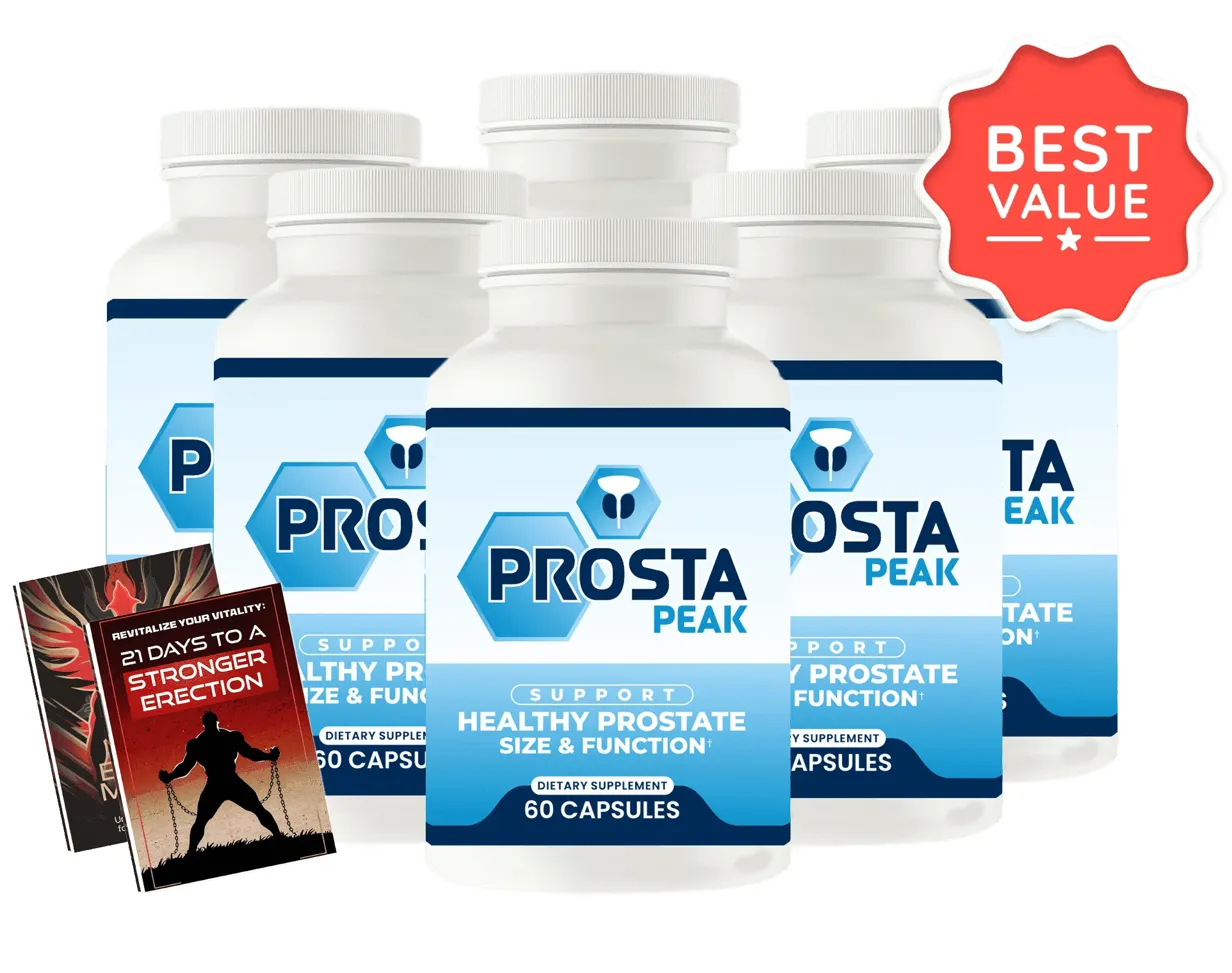
Beyond Diet: Comprehensive Prostate Support with ProstaPeak Max
While a healthy diet is fundamental, sometimes your body needs an extra boost to effectively manage BPH symptoms and maintain optimal prostate health. ProstaPeak Max is a cutting-edge dietary supplement formulated with a powerful blend of natural ingredients, many of which we've discussed, scientifically selected to support your prostate and urinary function.
Designed to complement your prostate-friendly diet, ProstaPeak Max offers a convenient and potent way to ensure you're getting the vital nutrients and botanical extracts known to help reduce inflammation, balance hormones, and improve urinary flow. It's a comprehensive solution for men seeking natural support for an enlarged prostate.
- ✓ Supports healthy prostate size and function
- ✓ Alleviates uncomfortable urinary symptoms
- ✓ Formulated with 100% natural, science-backed ingredients
- ✓ Manufactured in a GMP-certified facility for purity and potency
- ✓ Backed by a 60-day money-back guarantee



Hear From Men Who Improved Their Prostate Health
Real experiences from individuals who have embraced a proactive approach to their prostate health, often combining dietary changes with targeted supplementation.
"Since I started paying attention to my diet and added ProstaPeak Max, my nighttime bathroom trips have significantly decreased. I feel more rested and my stream is stronger. It's made a real difference."

"I was skeptical at first, but after a few months of dietary changes and ProstaPeak Max, my urologist even noted an improvement. The constant urgency is gone, and I can enjoy my day without worry."

"My quality of life has improved immensely. Combining the dietary advice from articles like this with ProstaPeak Max has given me back control. Highly recommend this approach for anyone with BPH."

Frequently Asked Questions
Can diet really impact BPH symptoms?
+Absolutely. While diet isn't a cure for BPH, it plays a significant role in managing symptoms, reducing inflammation, and potentially slowing the progression of prostate enlargement. Certain foods can exacerbate symptoms, while others provide protective nutrients that support overall prostate health and urinary function. Making thoughtful dietary choices is a cornerstone of a holistic approach to BPH management.
What is the single most important food group for prostate health?
+While it's challenging to pinpoint a single most important group, a strong consensus points to vegetables, particularly those rich in antioxidants and anti-inflammatory compounds. Leafy greens, cruciferous vegetables like broccoli and cauliflower, and vibrant red fruits and vegetables (like tomatoes, rich in lycopene) are critically important. They provide essential vitamins, minerals, and phytonutrients that combat oxidative stress and support cellular health within the prostate.
Are there any specific foods I should absolutely avoid with BPH?
+For many men with BPH, it's advisable to limit or avoid red and processed meats, high-fat dairy products, excessive caffeine and alcohol, spicy foods, and refined sugars and carbohydrates. These items are often associated with increased inflammation and can irritate the bladder, potentially worsening urinary symptoms. Individual sensitivities vary, so it's important to observe how your body reacts to different foods.
How long does it take to see dietary changes affect BPH?
+The timeline for noticing improvements from dietary changes can vary significantly among individuals. Some men might experience subtle improvements in urinary symptoms or overall well-being within a few weeks, while for others, it may take several months of consistent adherence to a prostate-friendly diet to observe more noticeable benefits. Consistency is key, and dietary changes are often part of a long-term management strategy rather than a quick fix.
Is ProstaPeak Max a replacement for a healthy diet?
+No, ProstaPeak Max is not a replacement for a healthy diet. It is designed to be a powerful dietary supplement that complements a balanced, prostate-friendly diet and a healthy lifestyle. While ProstaPeak Max provides a concentrated blend of natural ingredients known for their prostate-supporting properties, optimal health outcomes for BPH management are achieved through a comprehensive approach that includes good nutrition, regular exercise, and professional medical guidance.
Where can I buy ProstaPeak Max?
+ProstaPeak Max is available exclusively through its official website to ensure you receive an authentic product directly from the manufacturer. Purchasing from the official site guarantees access to any current discounts, special offers, and the full 60-day money-back guarantee. Avoid third-party retailers to prevent counterfeit products and ensure product quality and customer support.
Related Articles