Are you struggling with an enlarged prostate and wondering if exercise can truly make a difference?
For many men, issues like an enlarged prostate (Benign Prostatic Hyperplasia, or BPH) and associated urinary problems can significantly impact quality of life. Frequent urges, weak stream, and nighttime awakenings are common, leading to frustration and discomfort. While medical treatments are available, a growing body of evidence suggests that lifestyle modifications, particularly regular exercise, play a pivotal role in managing and even preventing these conditions.
In this comprehensive guide, Dr. William Harris, a leading Urological Health Researcher, delves into the science behind exercise and prostate health, outlining the most effective workouts for men. You'll learn how incorporating physical activity can not only alleviate symptoms but also foster long-term prostate well-being. We’ll explore various types of exercises, from aerobic activities to strength training and targeted pelvic floor work, providing actionable advice to help you regain control over your urinary health and improve your overall vitality.
Understanding Prostate Health and the Impact of an Enlarged Prostate
Before we dive into specific exercises, it's crucial to understand what the prostate is and why its health is so vital for men.
The prostate is a small, walnut-shaped gland located just below the bladder and in front of the rectum. Its primary function is to produce seminal fluid, which nourishes and transports sperm. As men age, it's common for the prostate to enlarge, a condition known as Benign Prostatic Hyperplasia (BPH). While BPH is not cancerous, it can cause significant discomfort and a range of urinary symptoms because the enlarged gland presses against the urethra, the tube that carries urine from the bladder out of the body.
Common symptoms of an enlarged prostate include: frequent urination (especially at night, known as nocturia), a weak or interrupted urine stream, difficulty starting urination, dribbling at the end of urination, and a feeling of incomplete bladder emptying. These symptoms can severely disrupt sleep, social activities, and overall quality of life. While many factors contribute to BPH, including genetics and hormonal changes, lifestyle choices, particularly diet and exercise, are increasingly recognized for their significant impact on prostate health. Maintaining a healthy weight and engaging in regular physical activity can help mitigate some of these risk factors and improve symptom management.
💡 Key Takeaway
An enlarged prostate (BPH) is common in aging men, causing bothersome urinary symptoms. While not cancerous, it significantly impacts daily life. Lifestyle factors, especially exercise, are critical for managing symptoms and promoting long-term prostate health.
The Undeniable Link: How Exercise Benefits Prostate Health
Exercise isn't just good for your heart and muscles; it's a powerful tool for maintaining a healthy prostate and alleviating symptoms of BPH.
Numerous studies have highlighted the positive correlation between physical activity and reduced risk or improved management of prostate conditions. Here’s why exercise is so beneficial:
- Reduces Inflammation: Chronic inflammation is a known contributor to prostate enlargement and other prostate issues. Regular exercise has systemic anti-inflammatory effects, which can directly benefit the prostate gland.
- Maintains Healthy Weight: Obesity is a significant risk factor for BPH and prostate cancer. Exercise helps manage weight, reducing the pressure on the bladder and prostate, and improving metabolic health, which in turn benefits the prostate.
- Improves Circulation: Good blood flow is essential for the health of all organs, including the prostate. Exercise enhances circulation, ensuring that the prostate receives adequate oxygen and nutrients while efficiently removing waste products.
- Balances Hormones: Hormonal imbalances, particularly changes in testosterone and estrogen levels, play a role in prostate growth. Regular physical activity can help regulate hormone levels, potentially slowing down or reducing prostate enlargement.
- Stress Reduction: Stress can exacerbate many health conditions, including urinary symptoms. Exercise is a proven stress reliever, leading to overall improved well-being and potentially reducing the perception of urinary discomfort.
- Strengthens Pelvic Floor Muscles: Certain exercises directly target the pelvic floor, which can improve bladder control and reduce symptoms like urinary urgency and leakage often associated with BPH.
By addressing these underlying factors, exercise offers a holistic approach to prostate care, complementing other treatments and contributing to a better quality of life. For more insights into natural approaches to prostate health, you might find our article on how to reduce prostate size naturally with diet tips particularly informative.
The Best Workouts for Men's Prostate Health
Not all exercises are created equal when it comes to prostate health. While general physical activity is always good, certain types of workouts offer specific benefits.
Aerobic Exercises (Cardio)
Aerobic activities are foundational for overall health, and prostate health is no exception. These exercises get your heart rate up, improve blood circulation, and help you maintain a healthy weight, all of which are crucial for reducing inflammation and supporting prostate function. Aim for at least 150 minutes of moderate-intensity cardio per week.
- Brisk Walking/Jogging: Accessible and effective, walking or light jogging can be done almost anywhere.
- Swimming: A full-body workout that's low-impact and excellent for cardiovascular health without putting stress on the pelvic area.
- Cycling (with caution): While beneficial for cardio, prolonged cycling on narrow seats can sometimes put pressure on the perineum and prostate. Opt for wider, padded seats, stand up periodically, or consider a recumbent bike if you experience discomfort.
- Elliptical Training: Provides a good cardiovascular workout with minimal impact on joints and the pelvic region.
Strength Training
Building and maintaining muscle mass is vital as we age, and it also plays a role in hormonal balance, which can indirectly benefit prostate health. Strength training helps improve metabolism, manage weight, and can positively influence hormone levels like testosterone.
- Bodyweight Exercises: Push-ups, squats, lunges, and planks are excellent for building strength without equipment.
- Weightlifting: Incorporate free weights or machines for major muscle groups. Focus on compound movements like squats, deadlifts (with proper form), and presses.
- Resistance Bands: A versatile option for all fitness levels, providing resistance for a variety of exercises.
Aim for 2-3 strength training sessions per week, targeting all major muscle groups.
Pelvic Floor Exercises (Kegels)
These exercises directly target the muscles that support the bladder and bowel, playing a crucial role in urinary control. Strengthening your pelvic floor can significantly help men manage symptoms like urinary urgency, frequency, and leakage associated with BPH or post-prostatectomy recovery.
- Identifying the Muscles: To find your pelvic floor muscles, try to stop the flow of urine mid-stream or tighten the muscles that prevent you from passing gas.
- Basic Kegel: Contract these muscles, hold for 3-5 seconds, then relax for 3-5 seconds. Repeat 10-15 times, 3 times a day.
- Quick Flicks: Rapidly contract and relax the muscles, 10-15 times, 3 times a day.
Consistency is key for Kegel exercises. If you're unsure about the correct technique, consult a physical therapist specializing in pelvic floor health.
Yoga and Stretching
While not directly targeting the prostate in the same way as Kegels, yoga and stretching contribute to overall well-being, flexibility, and stress reduction. Reduced stress can indirectly alleviate urinary symptoms, and improved flexibility can enhance comfort during other forms of exercise.
- Gentle Stretches: Focus on hip openers and stretches that release tension in the lower back and pelvic area.
- Yoga Poses: Poses like "Child's Pose," "Supine Spinal Twist," and "Bridge Pose" can promote relaxation and gentle stretching. Avoid poses that put direct, prolonged pressure on the perineum.
Incorporating 10-15 minutes of stretching daily or a few yoga sessions per week can significantly enhance your overall physical and mental health.
Exercises to Approach with Caution (or Avoid)
While exercise is generally beneficial, some activities might require modification or avoidance if you have prostate issues.
The main concern with certain exercises is the potential for direct pressure or trauma to the perineum (the area between the anus and scrotum), which can irritate the prostate or exacerbate symptoms. For example, prolonged cycling on a narrow, hard bicycle seat has been a topic of discussion. While moderate cycling is usually fine, extensive periods can sometimes lead to temporary numbness or discomfort. If cycling is your preferred cardio, consider a wider, gel-padded seat, a recumbent bike, or stand up on the pedals periodically to relieve pressure.
Additionally, very high-impact activities or exercises that involve repeated jarring motions might not be ideal for everyone, especially if you experience pelvic pain. Listen to your body and choose activities that feel comfortable. If any exercise causes increased pain, urinary urgency, or discomfort, it's best to modify it or switch to a different activity. Always consult with your doctor or a physical therapist before starting a new exercise regimen, especially if you have existing prostate conditions or other health concerns. They can provide personalized advice based on your specific health profile.
Integrating Exercise into Your Daily Routine
Consistency is key when it comes to reaping the benefits of exercise for prostate health. Here's how to make it a sustainable part of your life.
Start Small, Build Gradually
If you're new to exercise, don't try to do too much too soon. Begin with short walks (10-15 minutes) and gradually increase duration and intensity. This approach prevents injury and burnout, making it easier to stick with your routine long-term.
Schedule Your Workouts
Treat your exercise sessions like any other important appointment. Block out time in your calendar and commit to it. Consistency is more important than sporadic, intense workouts.
Find Activities You Enjoy
You're more likely to stick with an exercise routine if you genuinely enjoy the activities. Whether it's hiking, dancing, swimming, or playing a sport, find something that motivates you and makes you look forward to moving.
Incorporate Movement Throughout the Day
Even if you have a dedicated workout, look for opportunities to move more. Take the stairs, park further away, walk during phone calls, or do some stretches during breaks. Every bit of activity counts towards better prostate health.
Listen to Your Body
Pay attention to how your body feels. Some days you might feel more energetic than others. It's okay to have rest days or to opt for a lighter workout when needed. Pushing too hard can lead to injury or discouragement.
Track Your Progress
Using a fitness tracker or a simple journal can help you monitor your activity levels and see how far you've come. Seeing your progress can be a powerful motivator to keep going.
Beyond Exercise: Complementary Lifestyle Factors for Prostate Health
While exercise is a cornerstone of prostate health, it works best when combined with other healthy lifestyle choices.
A holistic approach to managing an enlarged prostate and supporting urinary function involves several key areas:
- Diet and Nutrition: A diet rich in fruits, vegetables, and healthy fats (like those found in avocados and nuts) and low in red meat, processed foods, and excessive sugar can significantly impact prostate health. Foods high in antioxidants and anti-inflammatory compounds, such as berries, leafy greens, and green tea, are particularly beneficial. Limiting caffeine and alcohol can also help reduce urinary urgency and frequency.
- Hydration: While it might seem counterintuitive for urinary issues, staying adequately hydrated is crucial. Drinking enough water helps flush out toxins and keeps urine less concentrated, which can reduce bladder irritation. Just be mindful of fluid intake closer to bedtime to minimize nocturia.
- Stress Management: Chronic stress can exacerbate many health conditions, including urinary symptoms. Practicing relaxation techniques like meditation, deep breathing exercises, spending time in nature, or engaging in hobbies can help manage stress levels.
- Regular Check-ups: Don't underestimate the importance of regular visits to your doctor. Early detection and management of prostate issues are vital. Your physician can monitor your prostate health, recommend appropriate screenings, and discuss treatment options tailored to your needs.
Combining these lifestyle factors with a consistent exercise routine creates a powerful synergy for optimal prostate health. For those seeking additional support, natural supplements can also play a role. If you're interested in understanding potential benefits and considerations, our article on ProstaPeak Max side effects and safety provides valuable information.
Enhancing Your Prostate Health Journey with Natural Support: Introducing ProstaPeak Max
While exercise and diet form the bedrock of prostate health, many men find additional benefits from incorporating targeted natural supplements. ProstaPeak Max is formulated with a blend of potent, science-backed ingredients designed to support prostate function and urinary comfort. Here are some of the key ingredients and their roles:

Saw Palmetto
Role: Widely recognized for its ability to support prostate health, Saw Palmetto helps reduce the conversion of testosterone to DHT, a hormone linked to prostate enlargement. It also aids in reducing urinary symptoms like frequency and urgency.
Standardized extract, 320-640mg daily
Pygeum Africanum
Role: Derived from the bark of the African plum tree, Pygeum is known for its anti-inflammatory properties and its ability to improve urinary flow and reduce nocturia. It helps to support bladder emptying and overall urinary comfort.
100-200mg daily
Green Tea Extract
Role: Rich in powerful antioxidants, particularly EGCG, Green Tea helps combat oxidative stress and inflammation within the prostate. It supports cellular health and may contribute to a reduced risk of prostate issues.
300-500mg daily (standardized)
Cat's Claw
Role: This Amazonian herb is celebrated for its potent anti-inflammatory and immune-modulating properties. It can help reduce inflammation in the prostate and support the body's natural defense mechanisms.
300-1000mg daily
Soursop Leaf
Role: Emerging research suggests Soursop possesses strong antioxidant and anti-inflammatory compounds. It's included for its potential to support cellular health and provide additional protective benefits for the prostate.
500-1000mg daily
Red Raspberry
Role: Packed with vitamins, minerals, and antioxidants, Red Raspberry provides robust cellular support. Its anti-inflammatory effects can contribute to a healthier prostate environment and overall well-being.
200-500mg dailyProstaPeak Max offers a comprehensive blend designed to work synergistically, providing targeted support for urinary flow, prostate size, and overall prostate health. When combined with a healthy lifestyle, including regular exercise, supplements like ProstaPeak Max can be a valuable part of your prostate care regimen. For a deeper dive into how these ingredients work and what to expect, read our comprehensive prostate support review.
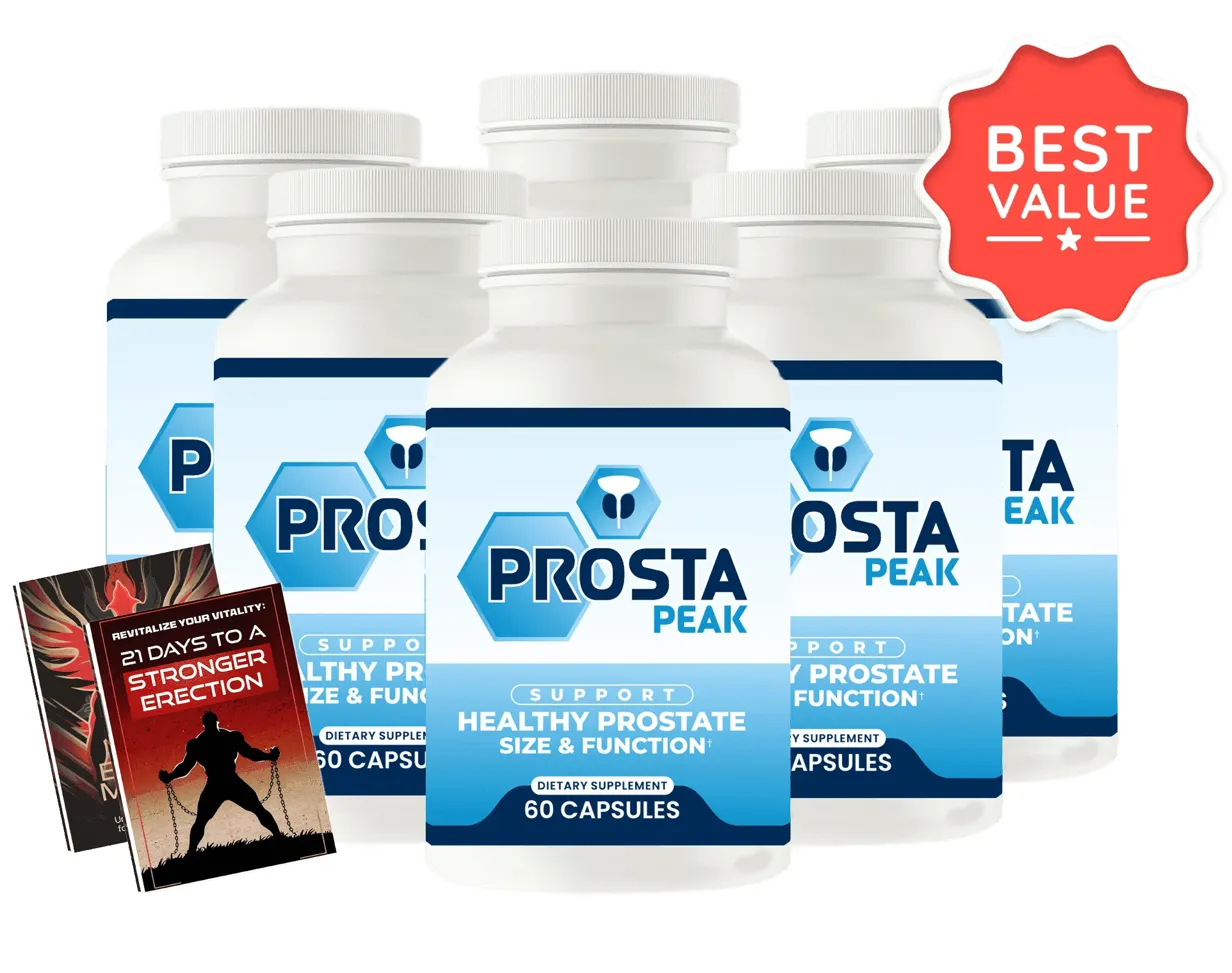
Ready to Take Control of Your Prostate Health?
Combining the power of exercise with a premium, natural supplement can significantly enhance your journey towards optimal prostate health and urinary comfort. ProstaPeak Max is meticulously crafted with a blend of ingredients known for their efficacy in supporting men's well-being.
- ✓ Supports Healthy Prostate Size
- ✓ Promotes Strong, Consistent Urine Flow
- ✓ Reduces Frequent Urination & Nocturia
- ✓ Enhances Bladder Emptying
- ✓ Boosts Overall Urinary Tract Function




The Synergistic Power of Exercise and Natural Prostate Support
When it comes to optimizing prostate health, the greatest benefits are often achieved through a synergistic approach that combines multiple healthy habits.
Think of exercise and natural supplements like ProstaPeak Max as two powerful pillars supporting the same goal: a healthy prostate and comfortable urinary function. Exercise addresses systemic factors such as inflammation, weight management, circulation, and hormonal balance. It strengthens your core, improves your cardiovascular health, and directly impacts pelvic floor integrity through targeted movements. This creates a robust internal environment conducive to prostate health.
Simultaneously, a high-quality natural supplement like ProstaPeak Max provides targeted nutritional support. Its ingredients are selected for their specific actions on prostate cells, their ability to reduce inflammation, improve urinary flow, and protect against oxidative stress. These compounds work at a cellular level, complementing the broader physiological benefits of physical activity. For instance, while exercise reduces overall inflammation, ingredients like Pygeum and Cat's Claw in ProstaPeak Max offer specific anti-inflammatory support to the prostate gland itself.
By integrating regular, prostate-friendly workouts with a daily regimen of natural prostate support, you are actively creating the best possible conditions for your prostate to thrive. This comprehensive strategy not only helps in managing existing symptoms of BPH but also plays a significant role in long-term preventative care, ensuring you maintain vitality and comfort as you age. Always remember to consult with your healthcare provider to tailor this approach to your individual health needs.
What Men Are Saying About Their Prostate Health Journey
"After years of struggling with frequent nighttime bathroom trips, I started a consistent walking routine and added ProstaPeak Max. The combination has been a game-changer. I'm sleeping better, and my stream is much stronger. Highly recommend this holistic approach!"
"I was skeptical at first, but incorporating daily strength training and taking ProstaPeak Max has really turned things around. My urinary urgency has decreased, and I feel more energetic overall. It's amazing what a few lifestyle changes can do."
"My doctor suggested more exercise for my BPH symptoms. I started swimming regularly and included ProstaPeak Max in my routine. The results are noticeable – fewer trips to the restroom and a much more comfortable feeling throughout the day. I feel like myself again."
Frequently Asked Questions
What types of exercise are best for prostate health?
+Aerobic exercises like walking, jogging, swimming, and cycling are excellent for overall prostate health. Strength training and pelvic floor exercises (Kegels) also play crucial roles in supporting urinary function and hormonal balance. Incorporating flexibility exercises like yoga can further enhance well-being.
Can exercise help reduce symptoms of an enlarged prostate (BPH)?
+Yes, regular exercise can significantly help manage and even reduce symptoms associated with an enlarged prostate, also known as Benign Prostatic Hyperplasia (BPH). Physical activity helps maintain a healthy weight, reduces inflammation, improves circulation, and can positively impact hormonal balance, all of which contribute to better prostate health and fewer urinary issues.
Are there any exercises I should avoid with prostate issues?
+While most exercises are beneficial, certain activities might exacerbate symptoms for some men. High-impact exercises could put pressure on the pelvic floor. Prolonged cycling, especially with narrow seats, can sometimes cause temporary discomfort or pressure on the prostate area. It's advisable to use wider, padded seats or adjust your posture if you experience discomfort.
How often should I exercise for optimal prostate health?
+For optimal prostate health, aim for at least 150 minutes of moderate-intensity aerobic exercise or 75 minutes of vigorous-intensity aerobic exercise per week, combined with two or more days of strength training. Consistency is key, so even short, regular bursts of activity are more effective than sporadic intense workouts. Listen to your body and gradually increase intensity.
Do pelvic floor exercises (Kegels) really help with prostate problems?
+Yes, pelvic floor exercises, commonly known as Kegels, are highly beneficial for men with prostate issues, particularly for improving urinary control. They strengthen the muscles that support the bladder and bowel, which can help reduce leakage, improve urine flow, and enhance recovery after prostate surgery. Proper technique is important for effectiveness.
Can natural supplements complement my exercise routine for prostate health?
+Absolutely. While exercise is a cornerstone of prostate health, natural supplements containing ingredients like Saw Palmetto, Beta-Sitosterol, and Pygeum can provide additional support. These ingredients are often studied for their potential to reduce inflammation, support healthy urinary flow, and promote overall prostate well-being, working synergistically with an active lifestyle.
Related Articles