Are you tired of frequent bathroom trips and discomfort from an enlarged prostate?
As men age, an enlarged prostate, medically known as Benign Prostatic Hyperplasia (BPH), becomes an increasingly common concern. This condition can lead to a myriad of uncomfortable urinary symptoms, significantly impacting quality of life. From frequent nighttime urination to a weak urine stream and the constant feeling of incomplete bladder emptying, BPH can be a persistent source of frustration.
While medical treatments are available, many men are seeking natural, holistic approaches to manage their symptoms and support prostate health. The good news is that your diet plays a surprisingly powerful role in the health of your prostate. By integrating specific foods into your daily routine, you can harness the power of nature to help alleviate symptoms and even contribute to shrinking an enlarged prostate naturally.
Understanding the Enlarged Prostate: More Than Just Age
Before we dive into dietary solutions, it's essential to understand what an enlarged prostate, or Benign Prostatic Hyperplasia (BPH), truly is and why it occurs. While often associated with aging, it's a complex condition influenced by hormones, inflammation, and cellular growth patterns.
The prostate gland, a walnut-sized organ located just below the bladder, plays a crucial role in male reproductive health. It produces seminal fluid that nourishes and transports sperm. As men age, typically after 40, the prostate can begin to grow, a process driven primarily by hormonal changes, particularly the conversion of testosterone into dihydrotestosterone (DHT). This growth can compress the urethra, the tube that carries urine from the bladder out of the body, leading to the characteristic urinary symptoms of BPH.
Common symptoms include frequent urination, especially at night (nocturia), a weak or interrupted urine stream, difficulty starting urination, dribbling at the end of urination, and the feeling that you can't completely empty your bladder. These symptoms can range from mild to severe, significantly impacting daily life and sleep quality. While BPH is not prostate cancer and does not increase the risk of developing it, the symptoms can be similar, making a proper diagnosis from a healthcare professional crucial.
Beyond hormones, chronic inflammation within the prostate is increasingly recognized as a significant factor in BPH progression. Lifestyle choices, including diet, can either fuel or quell this inflammation, directly influencing the health and size of the prostate. This understanding forms the foundation for why certain foods can be so effective in managing and supporting prostate health.
💡 Key Takeaway
BPH is a common age-related condition influenced by hormones and inflammation. Dietary choices are powerful tools to combat inflammation and support hormonal balance, offering a natural pathway to better prostate health and symptom management.
The Power of Your Plate: Foods That Support Prostate Health
Your diet isn't just about weight management; it's a fundamental pillar of health, especially when it comes to organs like the prostate. Certain foods are rich in compounds that can specifically target the mechanisms contributing to prostate enlargement, such as reducing inflammation, balancing hormones, and providing antioxidant protection. Let's explore the best foods to incorporate into your diet for a healthier prostate.
Lycopene-Rich Foods: The Red & Pink Superstars
Lycopene is a potent antioxidant found abundantly in red and pink fruits and vegetables. It's renowned for its ability to reduce inflammation and protect cells from damage, particularly in the prostate. Studies suggest that lycopene may help slow the progression of BPH and reduce the risk of prostate cancer.
Best Sources: Tomatoes (especially cooked, as heat enhances lycopene bioavailability), watermelon, pink grapefruit, guava, and papaya.
Omega-3 Fatty Acids: Anti-Inflammatory Powerhouses
Chronic inflammation is a major culprit in prostate enlargement. Omega-3 fatty acids are well-known for their powerful anti-inflammatory properties, which can help reduce swelling and discomfort in the prostate gland. They also play a role in overall cellular health.
Best Sources: Fatty fish like salmon, mackerel, sardines, and trout. Plant-based sources include flaxseeds, chia seeds, walnuts, and hemp seeds.
Zinc-Rich Foods: The Mineral for Men's Health
Zinc is a vital trace mineral found in high concentrations in the prostate gland. It plays a critical role in immune function, cell growth, and hormone metabolism. Research indicates that zinc deficiency may be linked to prostate enlargement and an increased risk of prostate issues. Adequate zinc intake can help regulate testosterone levels and inhibit DHT production.
Best Sources: Oysters (the richest source), pumpkin seeds, beef, chicken, beans, nuts, and fortified cereals.
Phytosterols: Plant Compounds for Prostate Balance
Phytosterols are plant compounds structurally similar to cholesterol that can help block the absorption of cholesterol and have anti-inflammatory effects. Specifically, beta-sitosterol, a type of phytosterol, has been studied for its ability to improve urinary flow and reduce residual urine volume in men with BPH.
Best Sources: Pumpkin seeds, saw palmetto, nuts, avocados, wheat germ, and plant oils.
Antioxidant-Rich Berries: Nature's Protective Shield
Berries are packed with antioxidants, including flavonoids and vitamin C, which combat oxidative stress and inflammation throughout the body, including the prostate. They help protect prostate cells from damage and support overall cellular health.
Best Sources: Blueberries, strawberries, raspberries, cranberries, and blackberries.
Cruciferous Vegetables: Detoxifiers and Hormone Balancers
Vegetables like broccoli, cauliflower, and kale contain compounds such as sulforaphane and indole-3-carbinol, which are known for their anti-cancer properties and ability to support healthy hormone metabolism. They help the body detoxify excess estrogen, which can contribute to prostate growth.
Best Sources: Broccoli, cauliflower, Brussels sprouts, kale, cabbage, and bok choy.
Beyond Food: Lifestyle Habits for a Healthy Prostate
While diet is a cornerstone of prostate health, it's part of a larger picture. Integrating other healthy lifestyle habits can significantly amplify the benefits and provide holistic support for an enlarged prostate.
Regular Exercise: Physical activity is crucial for overall health, and the prostate is no exception. Exercise helps maintain a healthy weight, which is important because obesity is a risk factor for BPH and other prostate issues. It also improves circulation, reduces inflammation, and can positively impact hormone levels. Aim for at least 30 minutes of moderate exercise most days of the week. Activities like walking, jogging, swimming, or cycling are excellent choices.
Maintain a Healthy Weight: Excess body fat, particularly around the abdomen, can increase inflammation and alter hormone metabolism, potentially worsening BPH symptoms. Losing even a small amount of weight can make a noticeable difference in prostate health and urinary function.
Stay Hydrated (Smartly): Drinking enough water is essential for kidney and bladder health. However, men with BPH should manage their fluid intake strategically. Avoid excessive fluids before bedtime to reduce nighttime urination. Also, limit caffeine and alcohol, as they can irritate the bladder and act as diuretics, increasing urinary frequency.
Stress Management: Chronic stress can impact hormone balance and contribute to inflammation. Practices like meditation, deep breathing exercises, yoga, or spending time in nature can help manage stress levels and promote overall well-being, indirectly benefiting prostate health.
Regular Urination Schedule: Don't hold your urine for too long. Empty your bladder completely when you go to the bathroom. This can help prevent bladder overstretching and reduce the risk of urinary tract infections, which can exacerbate BPH symptoms. Double voiding (urinate, wait a few moments, then try to urinate again) can also be helpful.
Combining these lifestyle modifications with a prostate-friendly diet creates a powerful defense against the progression and symptoms of BPH. For more insights into comprehensive prostate care, consider reading our article on The Best Prostate Health Supplement.
💡 Key Takeaway
A holistic approach combining a healthy diet with regular exercise, weight management, smart hydration, stress reduction, and good urinary habits offers the most effective strategy for managing BPH symptoms and supporting long-term prostate health.
Foods to Limit or Avoid for Prostate Health
Red and Processed Meats
High consumption of red meat, especially processed varieties like sausages and bacon, has been linked to increased inflammation and a higher risk of prostate issues. These foods often contain saturated fats and compounds that can promote prostate growth.
Dairy Products
Some research suggests a potential link between high dairy intake and increased risk of BPH or prostate cancer, possibly due to hormones present in milk. While more research is needed, moderating dairy intake might be beneficial for some men.
Sugar and Refined Carbohydrates
Diets high in sugar and refined carbs can lead to insulin resistance and chronic inflammation, both of which can negatively impact prostate health. These foods contribute to weight gain and can exacerbate BPH symptoms.
Caffeine and Alcohol
While not strictly "foods," caffeine and alcohol are diuretics and bladder irritants. They can increase urinary frequency and urgency, making BPH symptoms worse. Limiting their intake, especially before bed, can significantly improve comfort.
Unhealthy Fats (Trans & Saturated)
Found in fried foods, fast food, and many processed snacks, trans fats and excessive saturated fats promote inflammation and can contribute to overall poor health, including prostate problems. Opt for healthy fats like those in avocados, nuts, and olive oil instead.
The Role of Supplements: Bridging Nutritional Gaps
Even with the most diligent dietary efforts, it can sometimes be challenging to obtain optimal levels of all the nutrients beneficial for prostate health. This is where high-quality supplements can play a valuable role, offering a concentrated and convenient way to support your prostate.
Many natural ingredients have been extensively studied for their prostate-supporting properties. These often include herbs, vitamins, and minerals that work synergistically to reduce inflammation, balance hormones, improve urinary flow, and protect prostate cells. When choosing a supplement, look for those that contain clinically backed ingredients and are transparent about their formulations. For a detailed look into effective ingredients, you might find our article on the 20-Ingredient Prostate Formula particularly insightful.
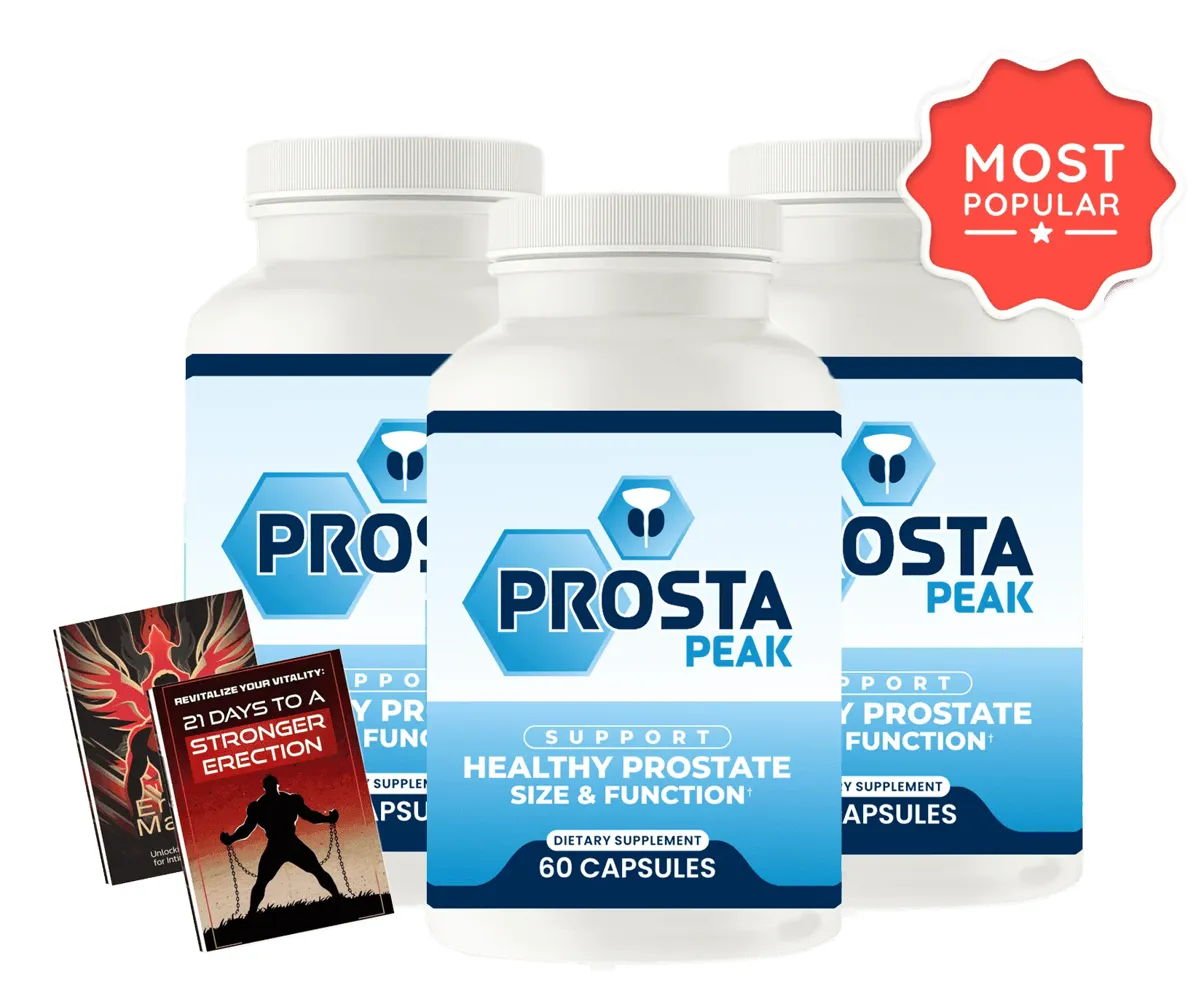
ProstaPeak Max is an example of a supplement formulated with a blend of natural ingredients specifically chosen for their potential to support prostate health. It aims to provide comprehensive support, complementing your dietary and lifestyle efforts. It's designed to help you get the concentrated benefits of ingredients that might be difficult to consume in sufficient quantities through diet alone, offering a convenient way to fortify your body's natural defenses against BPH symptoms.
Remember, supplements are intended to "supplement" a healthy diet and lifestyle, not replace them. Always consult with your doctor before adding any new supplement to your regimen, especially if you have existing medical conditions or are taking other medications.
Key Natural Ingredients for Prostate Health Found in Advanced Formulas
Saw Palmetto
Role: Widely recognized for its ability to inhibit the enzyme 5-alpha reductase, which converts testosterone to DHT, a key driver of prostate growth. It helps reduce urinary frequency and improve flow.
Typical Dose: 160-320 mg daily
Pygeum Africanum
Role: An African plum tree extract known to reduce inflammation, decrease prostate cell proliferation, and improve urinary symptoms like nocturia and urinary flow rate. It also helps reduce residual urine volume.
Typical Dose: 50-100 mg daily
Green Tea Extract
Role: Rich in catechins, particularly EGCG, which are powerful antioxidants. Green tea helps reduce inflammation, inhibit prostate cell growth, and may protect against prostate cancer. It supports overall cellular health.
Typical Dose: 300-600 mg daily
Cat's Claw
Role: A potent anti-inflammatory herb with immune-modulating properties. It helps reduce prostate inflammation and oxidative stress, which are crucial factors in BPH progression and symptoms. It also supports cellular repair.
Typical Dose: 250-1000 mg daily
Red Raspberry
Role: Packed with antioxidants like ellagic acid, which helps protect prostate cells from damage and reduces inflammation. It also provides essential vitamins and minerals that support overall urinary tract health.
Typical Dose: 500-1000 mg daily
Soursop
Role: Contains acetogenins, compounds with potential anti-inflammatory and cellular protective properties. It may help in inhibiting abnormal cell growth and supporting a healthy immune response within the prostate.
Typical Dose: 500-1500 mg daily
Ready for Natural Prostate Support? Discover ProstaPeak Max
If you're seeking a natural, comprehensive solution to support your prostate health and alleviate the discomfort of an enlarged prostate, ProstaPeak Max offers a meticulously crafted blend of clinically studied ingredients.
- ✓ Supports healthy prostate size and function
- ✓ Reduces frequent urination and improves urine flow
- ✓ Formulated with a powerful blend of natural extracts
- ✓ Made in the USA in a GMP-certified facility
- ✓ Backed by a 60-day 100% money-back guarantee



What Our Customers Are Saying
"I can finally sleep through the night! My frequent bathroom trips have drastically reduced since I started using ProstaPeak Max. It's been a game-changer for my quality of life."
"After trying various remedies, ProstaPeak Max actually made a difference. My urine flow is stronger, and I feel like my bladder empties completely now. Highly recommend!"
"I was skeptical at first, but the natural ingredients in ProstaPeak Max convinced me to try it. I'm so glad I did! Less urgency, less discomfort, and I feel much more in control."
Frequently Asked Questions
What is an enlarged prostate (BPH) and why is diet important?
+Benign Prostatic Hyperplasia (BPH), or an enlarged prostate, is a common condition affecting men as they age, causing urinary symptoms. Diet plays a crucial role as certain foods can help reduce inflammation, regulate hormones, and provide essential nutrients to support prostate health, potentially alleviating symptoms naturally.
Which specific nutrients are most beneficial for prostate health?
+Key nutrients for prostate health include zinc (found in pumpkin seeds, oysters), lycopene (in tomatoes, watermelon), omega-3 fatty acids (in fatty fish, flaxseed), antioxidants (in berries, green tea), and plant sterols (in nuts, seeds). These nutrients work to reduce inflammation, balance hormones, and protect prostate cells.
Can diet alone shrink an enlarged prostate?
+While diet cannot reverse significant prostate enlargement, it can play a vital role in managing symptoms, slowing progression, and improving overall prostate health. A healthy diet, combined with lifestyle changes, can significantly reduce inflammation and support the body's natural mechanisms to maintain a healthy prostate size.
Are there any foods to avoid if I have an enlarged prostate?
+Yes, it's generally recommended to limit red meat, processed foods, excessive dairy, sugary drinks, and unhealthy fats, as these can contribute to inflammation and hormonal imbalances that may exacerbate BPH symptoms. Reducing caffeine and alcohol intake can also help alleviate urinary urgency.
How long does it take to see results from dietary changes?
+The timeline for seeing results can vary greatly among individuals. Some men may notice improvements in urinary symptoms within a few weeks to a few months of consistent dietary changes and lifestyle adjustments. Long-term commitment is key for sustained benefits.
Can supplements like ProstaPeak Max complement dietary changes?
+Yes, supplements like ProstaPeak Max are designed to provide concentrated doses of beneficial nutrients and herbal extracts that may be difficult to obtain in sufficient quantities through diet alone. They can complement a healthy diet and lifestyle, offering comprehensive support for prostate health and urinary function. Always consult with a healthcare professional before starting any new supplement.
Related Articles