Are you experiencing the frustrating symptoms of an aging prostate?
For many men, the journey into middle age and beyond brings with it a common, yet often uncomfortable, companion: an enlarged prostate. Known medically as Benign Prostatic Hyperplasia (BPH), this condition can significantly impact your quality of life, leading to frequent bathroom trips, a weak urine stream, and a persistent feeling of incomplete bladder emptying. While medical interventions are available, a growing number of men are seeking natural, holistic approaches to manage their prostate health.
Understanding that your prostate health is intrinsically linked to your overall well-being is the first step towards relief. This comprehensive guide will explore how simple yet powerful natural vitamins and lifestyle adjustments can make a profound difference in supporting your prostate and reclaiming your comfort and confidence.
Understanding Benign Prostatic Hyperplasia (BPH)
Before diving into solutions, it's essential to grasp what BPH is and how it affects your body. Knowing your enemy is the first step to winning the battle for better prostate health.
The prostate gland, a small, walnut-sized organ located just below the bladder and in front of the rectum, plays a crucial role in male reproductive health. Its primary function is to produce seminal fluid, which nourishes and transports sperm. As men age, typically starting in their 40s and becoming more prevalent in their 50s, 60s, and beyond, the prostate gland can begin to enlarge. This non-cancerous condition is known as Benign Prostatic Hyperplasia (BPH).
The problem arises because the prostate surrounds the urethra, the tube that carries urine from the bladder out of the body. As the prostate grows, it can squeeze the urethra, obstructing the flow of urine. This obstruction leads to the characteristic symptoms of BPH, which can include:
- Frequent or urgent need to urinate: This is often one of the first and most bothersome symptoms, particularly at night (nocturia).
- Increased frequency of urination at night (nocturia): Waking up multiple times to use the bathroom disrupts sleep and can lead to fatigue.
- Difficulty starting urination (hesitancy): It may take a moment for urine flow to begin.
- Weak or interrupted urine stream: The flow may be weak, stop and start, or dribble.
- Dribbling at the end of urination: A few drops may continue to leak after you think you're done.
- Inability to completely empty the bladder: This can leave a constant feeling of needing to urinate and can increase the risk of urinary tract infections.
- Straining during urination: You may need to push or strain to get urine out.
While BPH is not prostate cancer and does not increase the risk of developing prostate cancer, its symptoms can significantly diminish a man's quality of life. Left unmanaged, severe BPH can lead to complications such as urinary tract infections, bladder stones, bladder damage, and even kidney damage. Therefore, understanding and actively managing BPH is vital for long-term health and well-being. Thankfully, there are many proactive steps you can take, starting with natural approaches.
💡 Key Takeaway
BPH is a common, non-cancerous prostate enlargement affecting older men, causing urinary symptoms due to urethral compression. While not cancerous, it significantly impacts quality of life and warrants proactive management through lifestyle and natural remedies.
The Power of Diet: Foods That Support Prostate Health
Your diet is a cornerstone of overall health, and your prostate is no exception. Eating the right foods can help reduce inflammation, provide essential nutrients, and even slow the progression of BPH symptoms.
Load Up on Fruits and Vegetables
These are packed with antioxidants, vitamins, and minerals that combat oxidative stress and inflammation, both of which can contribute to prostate issues. Aim for a wide variety of colors, including leafy greens, berries, citrus fruits, and cruciferous vegetables like broccoli and cauliflower. Lycopene, a powerful antioxidant found in cooked tomatoes, is particularly beneficial for prostate cells.
Embrace Healthy Fats
Omega-3 fatty acids, found in fatty fish (salmon, mackerel, sardines), flaxseeds, and walnuts, have potent anti-inflammatory properties. Replacing unhealthy saturated and trans fats with these beneficial fats can help reduce systemic inflammation that may exacerbate prostate symptoms. Avocados and olive oil are also great sources of monounsaturated fats.
Choose Lean Proteins
Opt for plant-based proteins like beans, lentils, and nuts, or lean animal proteins such as poultry and fish. Limiting red meat, especially processed varieties, has been linked to better prostate health outcomes. Protein is essential for muscle maintenance and overall bodily function, but the source matters significantly.
Incorporate Whole Grains
Unlike refined grains, whole grains (oats, brown rice, quinoa, whole wheat) retain their fiber, vitamins, and minerals. A high-fiber diet aids digestion, helps maintain a healthy weight, and can contribute to better hormonal balance, all indirectly supporting prostate health. They also provide sustained energy without the blood sugar spikes associated with refined carbs.
Stay Hydrated with Water and Green Tea
Adequate water intake is crucial for kidney function and flushing out toxins. While it might seem counterintuitive for urinary symptoms, proper hydration keeps urine from becoming too concentrated, which can irritate the bladder. Green tea is particularly beneficial due to its high content of catechins, potent antioxidants that have been studied for their protective effects on prostate cells and their anti-inflammatory properties.
Foods to Limit or Avoid for Optimal Prostate Health
Just as certain foods can help, others can hinder your prostate health. Reducing your intake of these items can significantly improve your symptoms and overall well-being.
While focusing on what to eat is important, understanding what to limit or avoid can be equally impactful. Certain dietary choices can exacerbate inflammation, contribute to hormonal imbalances, or directly irritate the urinary tract, all of which can worsen BPH symptoms and overall prostate health. Here are the key culprits to watch out for:
- Red and Processed Meats: Studies suggest a link between high consumption of red meat (beef, pork, lamb) and processed meats (sausages, bacon, deli meats) and an increased risk of prostate enlargement and other prostate issues. These meats often contain saturated fats and compounds that can promote inflammation.
- Dairy Products: Some research indicates a potential correlation between high dairy intake and increased BPH risk, possibly due to hormones present in milk. While dairy provides calcium, consider moderation or exploring fortified plant-based alternatives.
- Excessive Alcohol: Alcohol acts as a diuretic, increasing urine production and irritating the bladder, which can worsen BPH symptoms like nocturia and urgency. It also contributes to systemic inflammation. Limiting alcohol intake, especially before bed, is highly recommended.
- Caffeine: Similar to alcohol, caffeine is a diuretic and a bladder irritant. Coffee, tea (excluding green tea), soda, and energy drinks can increase urinary frequency and urgency. Reducing or eliminating caffeine can provide noticeable relief for some men.
- Refined Sugars and Processed Foods: Diets high in refined sugars, white bread, pasta, and highly processed snacks can lead to insulin resistance and chronic inflammation throughout the body. This inflammatory state can negatively impact prostate health and contribute to weight gain, which is another risk factor for BPH.
- Unhealthy Fats: Trans fats and excessive saturated fats, often found in fried foods, fast food, and many baked goods, contribute to inflammation and can negatively affect cardiovascular health, which is linked to prostate health.
By making conscious choices to reduce your intake of these foods, you can create a more prostate-friendly internal environment, potentially leading to a reduction in bothersome symptoms and a boost in your overall health. Remember, a balanced approach is key, and small, consistent changes can yield significant long-term benefits.
Lifestyle Modifications for a Healthier Prostate
Beyond diet, your daily habits play a pivotal role in managing BPH and promoting prostate wellness. Integrating these lifestyle changes can offer significant relief and long-term benefits.
Regular Exercise
Physical activity is a powerful tool against BPH. Regular exercise, particularly aerobic activities like brisk walking, jogging, swimming, or cycling, helps maintain a healthy weight, reduces inflammation, and improves overall circulation. Even moderate exercise for 30 minutes most days of the week can significantly reduce BPH symptoms. Exercise can also help manage stress and improve sleep, both of which indirectly support prostate health. Learn more about comprehensive prostate support formulas.
Maintain a Healthy Weight
Obesity is a significant risk factor for BPH. Excess body fat, particularly around the abdomen, can alter hormone levels (like testosterone and estrogen) in a way that promotes prostate growth. Losing even a modest amount of weight can help reduce the severity of BPH symptoms and lower your risk for other chronic diseases. Combine a healthy diet with regular exercise for the best results.
Manage Stress Effectively
Chronic stress can impact various bodily systems, including the urinary system. Stress can cause muscles in the pelvic area to tense up, potentially worsening urinary symptoms associated with BPH. Techniques such as meditation, yoga, deep breathing exercises, spending time in nature, or engaging in hobbies can help reduce stress levels and promote relaxation.
Prioritize Quality Sleep
Adequate, restorative sleep is crucial for hormonal balance and overall bodily repair. Nocturia (waking up to urinate at night) is a common BPH symptom that disrupts sleep, creating a vicious cycle. Improving sleep hygiene (consistent sleep schedule, dark room, avoiding screens before bed) can help, and addressing BPH symptoms through other means will, in turn, improve sleep quality.
Practice Smart Urination Habits
Don't hold urine for too long, as this can overstretch the bladder and weaken its muscles over time. Urinate when you feel the urge. Also, try "double voiding" – urinate, wait a few moments, and try to urinate again to ensure complete bladder emptying. This can help reduce residual urine and improve comfort.
Limit Evening Fluid Intake
While staying hydrated is important, restricting fluid intake a few hours before bedtime can help reduce nocturia. Avoid diuretics like alcohol and caffeine in the evening. This simple adjustment can significantly improve sleep quality for men with BPH.
Essential Vitamins and Minerals for Prostate Health
Beyond diet and lifestyle, specific micronutrients play a direct and crucial role in maintaining prostate health and mitigating BPH symptoms. Ensuring adequate intake of these vitamins and minerals can be a game-changer.
The prostate gland has unique nutritional requirements, and deficiencies in certain vitamins and minerals can contribute to its enlargement or inflammation. Incorporating these key nutrients into your diet, or through targeted supplementation, is a proactive step towards supporting your prostate.
1. Zinc: The Prostate's Best Friend
Zinc is arguably one of the most vital minerals for prostate health. The prostate gland contains a higher concentration of zinc than any other soft tissue in the body. It plays a critical role in cellular metabolism, immune function, and DNA repair. Studies suggest that zinc deficiency is often observed in men with BPH and prostate cancer. Zinc helps regulate testosterone metabolism and may inhibit the enzyme 5-alpha-reductase, which converts testosterone to dihydrotestosterone (DHT), a hormone strongly implicated in prostate growth. Read more about prostate supplements with zinc and selenium.
Food Sources: Oysters (exceptionally high), red meat, poultry, beans, nuts (cashews, almonds), whole grains, dairy products.
2. Selenium: A Powerful Antioxidant
Selenium is a trace mineral known for its potent antioxidant properties. It works with Vitamin E to protect cells from oxidative damage caused by free radicals, which can contribute to chronic inflammation and cellular changes in the prostate. Research has explored selenium's potential role in reducing the risk of prostate cancer and supporting overall prostate health by modulating immune responses and influencing cell growth pathways.
Food Sources: Brazil nuts (very high, consume sparingly), seafood (tuna, cod), lean meats, poultry, eggs, whole grains.
3. Vitamin D: The Sunshine Vitamin
Vitamin D, often called the "sunshine vitamin," is crucial not just for bone health but also for immune function and cell growth regulation. Emerging research indicates that Vitamin D plays a significant role in prostate health, with lower levels often found in men with BPH and aggressive prostate cancer. It is believed to help inhibit the proliferation of prostate cells and promote programmed cell death (apoptosis), thus potentially slowing prostate growth.
Food Sources: Fatty fish (salmon, mackerel), fortified milk and cereals, egg yolks, sun exposure.
4. Vitamin E: Another Antioxidant Guardian
Vitamin E is a group of fat-soluble compounds with powerful antioxidant activities. It helps protect cell membranes from oxidative damage, reduces inflammation, and supports immune function. While studies on Vitamin E and prostate cancer risk have yielded mixed results, its general role in cellular health and anti-inflammatory processes makes it a valuable nutrient for overall prostate wellness. It works synergistically with selenium to enhance protective effects.
Food Sources: Wheat germ oil, sunflower seeds, almonds, peanuts, spinach, broccoli.
By ensuring an adequate intake of these essential vitamins and minerals, either through a nutrient-rich diet or a carefully selected supplement, men can provide their prostate with the foundational support it needs to function optimally and resist age-related enlargement.
💡 Key Takeaway
Zinc, Selenium, Vitamin D, and Vitamin E are crucial micronutrients for prostate health. Zinc is vital for prostate cell function and hormone regulation, while Selenium and Vitamin E offer antioxidant protection. Vitamin D helps regulate prostate cell growth, making them indispensable for managing BPH and maintaining overall prostate wellness.
Powerful Herbal Extracts for Prostate Support
Nature offers a bounty of botanicals that have been traditionally used, and scientifically studied, for their beneficial effects on prostate health. These herbal extracts provide targeted support that can complement dietary and lifestyle changes.
Saw Palmetto (Serenoa repens)
Role: One of the most well-known and researched herbs for BPH. Saw Palmetto berries contain fatty acids and plant sterols that are believed to inhibit the enzyme 5-alpha-reductase, thereby reducing the conversion of testosterone to DHT. This action may help shrink the inner lining of the prostate that puts pressure on the urethra, alleviating urinary symptoms like frequent urination and weak flow. It also has anti-inflammatory properties.
Typical Dose: 160-320 mg daily of standardized extract
Pygeum Africanum Bark Extract
Role: Derived from the bark of the African cherry tree, Pygeum has been used for centuries to treat urinary problems. It contains phytosterols, triterpenes, and ferulic esters that exert anti-inflammatory effects, reduce swelling, and decrease cellular proliferation in the prostate. It can improve urinary flow, reduce residual urine volume, and decrease nocturia by supporting bladder function and prostate cell health.
Typical Dose: 50-100 mg daily of standardized extract
Green Tea Extract (Camellia sinensis)
Role: Rich in powerful antioxidants called catechins, particularly epigallocatechin gallate (EGCG), green tea extract has demonstrated significant anti-inflammatory and anti-proliferative effects. EGCG can help reduce prostate cell growth and induce apoptosis (programmed cell death) in abnormal cells, making it a valuable agent for prostate health. Its antioxidant capacity also protects prostate cells from oxidative damage.
Typical Dose: 200-500 mg daily (standardized for EGCG)
Red Raspberry (Rubus idaeus)
Role: While not as widely known for prostate health as Saw Palmetto, red raspberry leaves and fruit are rich in antioxidants, vitamins, and minerals. They possess anti-inflammatory properties and can contribute to overall urinary tract health. Some traditional uses suggest it may help tone muscles and support healthy tissue, which could indirectly benefit prostate and bladder function. It's often included for its general wellness benefits and synergy with other ingredients.
Typical Dose: Varies, often part of a blend
Soursop (Annona muricata)
Role: Soursop, also known as graviola, is a fruit tree native to tropical regions. Its leaves, fruit, and bark have been traditionally used for various medicinal purposes. Research indicates that soursop contains acetogenins, which are compounds that have shown potential anti-inflammatory and cytotoxic effects on certain cell lines, including those related to prostate health. It's considered a potent antioxidant, supporting cellular integrity and overall immunity, indirectly contributing to a healthy prostate environment.
Typical Dose: Varies, often in concentrated extract form
Cat's Claw (Uncaria tomentosa)
Role: This woody vine, native to the Amazon rainforest, is renowned for its immune-modulating and anti-inflammatory properties. Its active compounds, oxindole alkaloids, can help reduce inflammation throughout the body, including the prostate. By mitigating chronic inflammation, Cat's Claw can contribute to alleviating BPH symptoms and fostering a healthier prostatic environment. It also supports overall cellular defense mechanisms.
Typical Dose: 250-1000 mg daily of extract
ProstaPeak Max Proprietary Blend
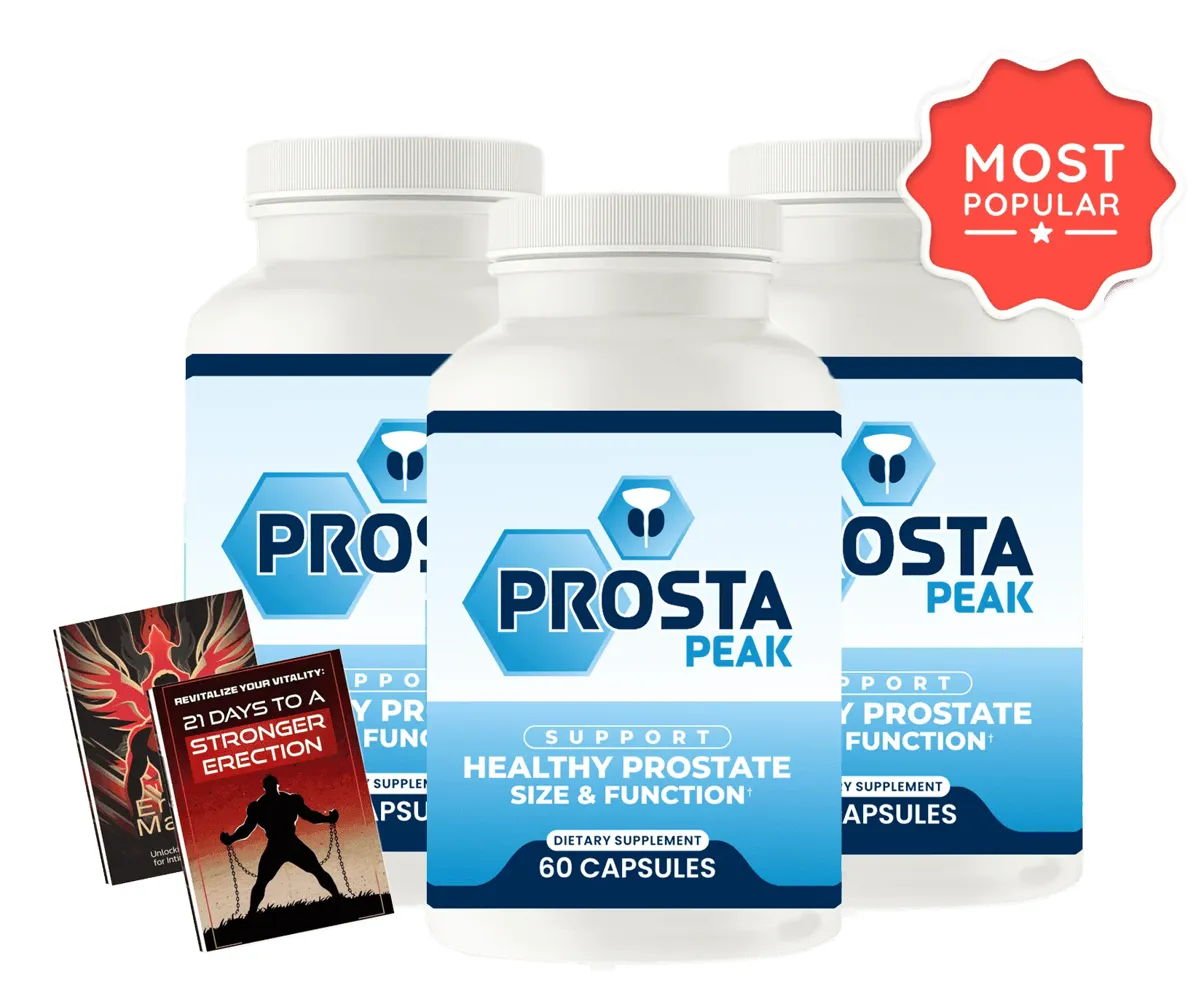
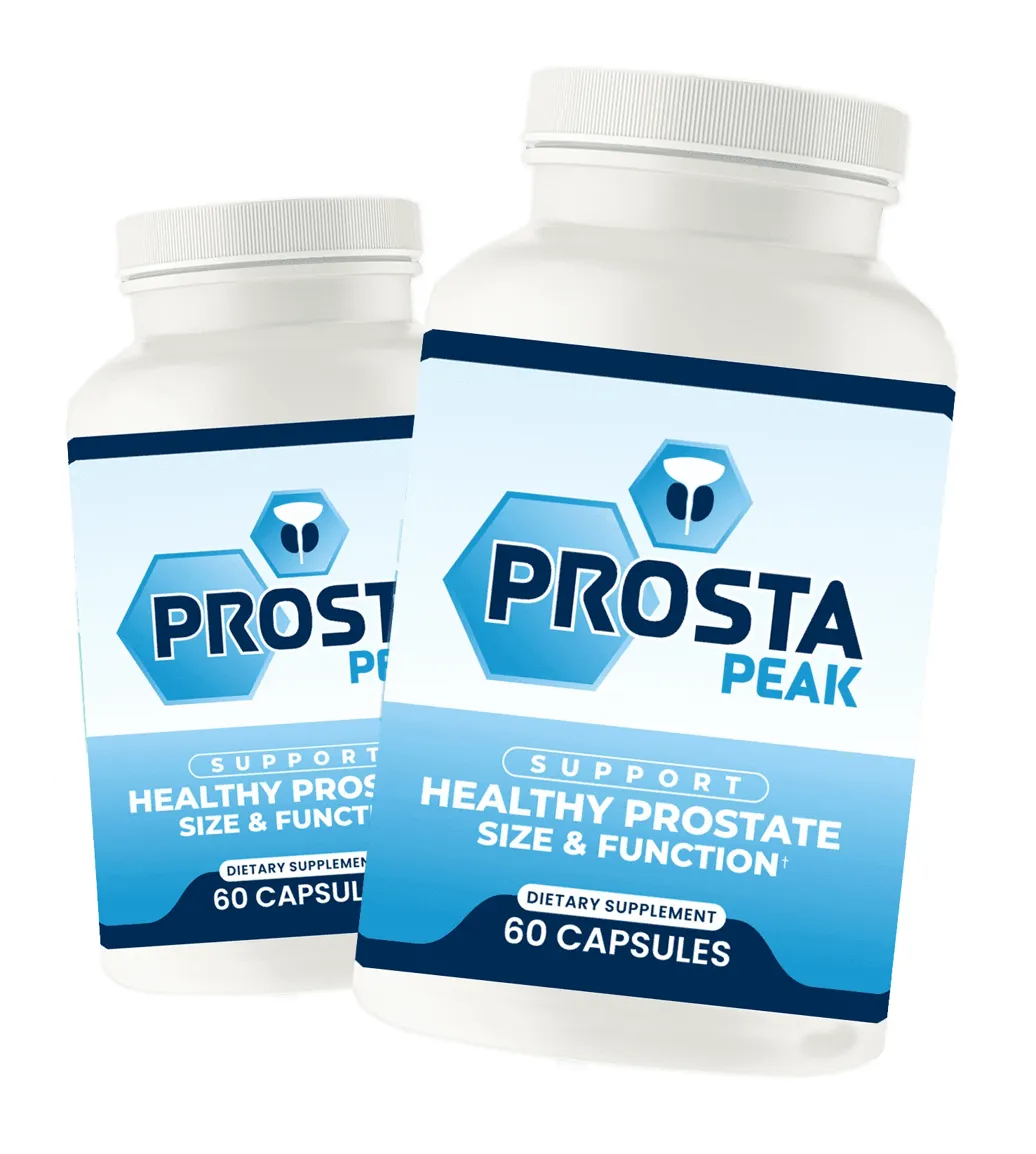
Role: A well-formulated supplement like ProstaPeak Max combines these and other beneficial ingredients to offer comprehensive prostate support. By synergistically blending potent extracts, vitamins, and minerals, it aims to target multiple pathways involved in prostate health, including reducing inflammation, supporting hormone balance, and promoting healthy urinary function. This holistic approach helps address BPH symptoms effectively.
Specific dosages depend on the full formula.Integrating Natural Solutions with ProstaPeak Max
While diet and lifestyle are fundamental, a high-quality, natural supplement can provide targeted support, delivering concentrated doses of the key nutrients and herbs discussed. ProstaPeak Max is designed to be a powerful ally in your prostate health journey.
Understanding the intricate balance required for optimal prostate health, ProstaPeak Max has been developed as a comprehensive solution. It brings together a carefully selected blend of vitamins, minerals, and herbal extracts, each chosen for its scientifically recognized role in supporting prostate function and alleviating the symptoms of BPH. The synergy of these ingredients means you're not just getting individual benefits, but a holistic approach to prostate wellness.
Many men find it challenging to consistently consume all the necessary nutrients through diet alone, especially in the optimal concentrations needed for therapeutic effects. This is where a supplement like ProstaPeak Max can fill the gap, ensuring your prostate receives the robust support it needs. It's formulated to work in harmony with the healthy lifestyle changes you implement, amplifying their positive effects.
For example, while you might strive to eat zinc-rich foods, a supplement ensures you're getting a consistent, adequate dose. Similarly, the specific standardized extracts of herbs like Saw Palmetto and Pygeum in ProstaPeak Max provide a reliable concentration of active compounds, which can be difficult to achieve through diet alone. This targeted approach helps to:
- Reduce the size of an enlarged prostate by influencing hormonal pathways, particularly those related to DHT.
- Alleviate bothersome urinary symptoms such as frequent urination, weak stream, and nocturia, leading to greater comfort and improved sleep.
- Decrease inflammation within the prostate gland, which is a common contributor to BPH symptoms.
- Provide powerful antioxidant protection to safeguard prostate cells from oxidative stress and damage.
- Support overall urinary tract function, ensuring a healthier and more efficient bladder and urethra.
By integrating ProstaPeak Max into your daily routine, alongside a prostate-friendly diet and active lifestyle, you empower your body with a multi-faceted strategy for maintaining optimal prostate health. It's about providing your body with the best possible tools to naturally manage BPH and enhance your quality of life. Remember, consistency is key, and the benefits of a natural, holistic approach tend to build over time.
For those seeking real-world experiences, you can explore ProstaPeak Max reviews and real results from men who have incorporated this supplement into their health regimen.
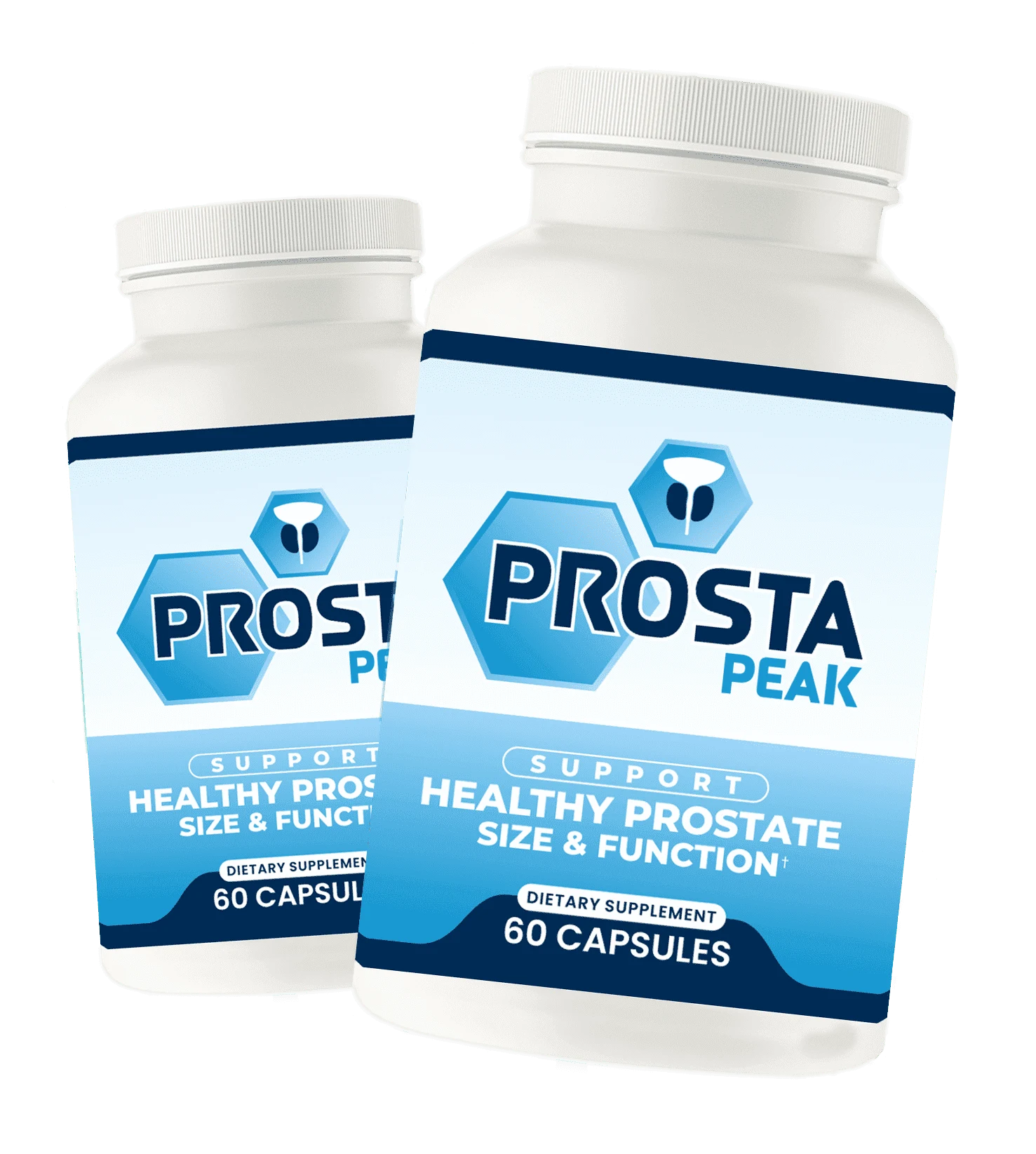
Ready to Reclaim Your Prostate Health Naturally?
Don't let BPH symptoms control your life any longer. ProstaPeak Max offers a powerful, natural solution designed to support your prostate, reduce urinary discomfort, and boost your overall well-being. Formulated with a blend of clinically studied ingredients, it's the natural choice for men seeking relief.
- ✓ Supports Healthy Prostate Size
- ✓ Reduces Frequent Urination & Nocturia
- ✓ Improves Urine Flow & Bladder Emptying
- ✓ Formulated with 100% Natural Ingredients
- ✓ Made in the USA, GMP Certified



What Our Customers Are Saying
"I was skeptical, but ProstaPeak Max has made a huge difference. Waking up once instead of 3-4 times a night is life-changing. I feel more rested and less anxious about finding a bathroom. Highly recommend for any man dealing with prostate issues!"
"My urine flow improved significantly after just a few weeks. The constant urge to go has subsided, and I feel like I'm emptying my bladder completely now. It's given me back a lot of confidence and comfort. This product actually works!"
"I've tried several prostate supplements over the years, but ProstaPeak Max is the first one where I truly noticed a difference. The ingredients are top-notch, and I appreciate the natural approach. My doctor even commented on the improvement. Fantastic product!"
Frequently Asked Questions
What is Benign Prostatic Hyperplasia (BPH)?
+Benign Prostatic Hyperplasia, or BPH, is a common non-cancerous enlargement of the prostate gland that occurs in men as they age. The prostate surrounds the urethra, and when it enlarges, it can press on the urethra, leading to various urinary symptoms like frequent urination, weak stream, and difficulty emptying the bladder.
Can diet really impact prostate health?
+Absolutely. A balanced diet rich in fruits, vegetables, whole grains, and healthy fats is crucial. Limiting red meat, processed foods, excessive dairy, and unhealthy fats can significantly support prostate health and potentially alleviate BPH symptoms. Specific nutrients like zinc, selenium, and lycopene, found in certain foods, are especially beneficial.
Are there specific exercises beneficial for prostate health?
+Yes, regular physical activity, especially aerobic exercises like walking, jogging, or swimming, can help maintain a healthy weight and reduce inflammation, both of which are good for prostate health. Pelvic floor exercises (Kegels) can also help strengthen the muscles that support bladder control, which can be helpful for BPH symptoms.
How do natural supplements like ProstaPeak Max fit into a prostate health regimen?
+Natural supplements can complement a healthy diet and lifestyle by providing concentrated doses of beneficial vitamins, minerals, and herbal extracts known to support prostate health. ProstaPeak Max, for instance, is formulated with ingredients like Saw Palmetto, Pygeum, and Zinc, which are widely studied for their potential to alleviate BPH symptoms and support overall prostate function. They should be used as part of a holistic approach and not as a standalone solution.
What are the most important vitamins for prostate health?
+Key vitamins and minerals for prostate health include Zinc, which is vital for immune function and prostate cell health; Selenium, an antioxidant; Vitamin D, important for cell growth regulation; and Vitamin E, another powerful antioxidant. These nutrients can be obtained through diet or high-quality supplements.
When should I see a doctor about my prostate symptoms?
+It's crucial to consult a healthcare professional if you experience any urinary symptoms such as frequent urination (especially at night), weak urine flow, difficulty starting or stopping urination, or a feeling of incomplete bladder emptying. These symptoms could indicate BPH or other more serious conditions, and proper diagnosis and personalized advice are essential for effective management.
Related Articles