Are you waking up multiple times at night to urinate?
For many men, changes in urinary habits are an unwelcome, yet often ignored, part of aging. What starts as a minor inconvenience – an extra trip to the bathroom at night or a slightly weaker stream – can slowly progress into a significant disruption of daily life and sleep quality.
These subtle shifts are frequently the early warning signs of a common condition known as Benign Prostatic Hyperplasia (BPH), or simply, an enlarged prostate. Understanding these symptoms is the first crucial step towards regaining control over your urinary health and improving your quality of life.

What Exactly is an Enlarged Prostate (BPH)?
Before diving into the symptoms, it's essential to understand what BPH is and why it affects so many men.
The prostate is a small, walnut-sized gland located just below the bladder in men, surrounding the urethra (the tube that carries urine from the bladder out of the body). Its primary function is to produce seminal fluid, which nourishes and transports sperm. As men age, it's very common for the cells of the prostate gland to begin to multiply, causing the prostate to enlarge. This condition is called Benign Prostatic Hyperplasia (BPH).
The term "benign" is crucial here: it means the enlargement is not cancerous. However, an enlarged prostate can still cause significant problems because of its location. As the prostate grows, it can press on the urethra, narrowing the channel and obstructing the flow of urine from the bladder. This obstruction is responsible for most of the bothersome symptoms associated with BPH. While it's a common part of aging, its impact on quality of life can be profound if left unaddressed.
💡 Key Takeaway
BPH is a non-cancerous enlargement of the prostate gland, common in aging men. Its growth can compress the urethra, leading to urinary flow obstruction and a range of uncomfortable symptoms that worsen over time.
The Telltale Signs: BPH Symptoms You Shouldn't Ignore
Recognizing the symptoms of an enlarged prostate is the first step toward effective management. These symptoms are often categorized into two groups: "voiding" (obstructive) and "storage" (irritative) symptoms.
Frequent Urination (Day and Night)
One of the most common and earliest signs is an increased need to urinate, both during the day and, particularly, at night. Waking up multiple times during the night to use the bathroom, a condition known as nocturia, is a hallmark symptom of BPH. This happens because the obstructed urethra prevents the bladder from emptying completely, making it fill up faster.
Weak or Slow Urinary Stream
As the urethra narrows due to prostate enlargement, the force of your urine stream significantly decreases. You might notice that your stream is much weaker than it used to be, or it takes a longer time to completely empty your bladder. This can also manifest as a dribbling or spraying stream, making urination a frustrating experience.
Difficulty Starting Urination (Hesitancy)
It might take a conscious effort or several seconds to begin urinating, even when you feel a strong urge. This hesitancy is a direct result of the bladder having to work harder to push urine through the narrowed urethra. You may find yourself straining, which is not only uncomfortable but can also lead to other bladder issues over time.
Feeling of Incomplete Bladder Emptying
Even after urinating, you might feel like your bladder isn't completely empty. This sensation is a clear indicator that residual urine is left in the bladder due to the obstruction. Chronic incomplete emptying can lead to complications such as urinary tract infections (UTIs) and bladder stones.
Urgency and Incontinence
The need to urinate can come on suddenly and intensely, often feeling like you won't make it to the bathroom in time. This urinary urgency can sometimes lead to accidental leakage (urge incontinence), which can be embarrassing and severely impact your social life. The bladder muscle becomes overactive trying to overcome the obstruction.
Straining During Urination
Many men with BPH find themselves needing to strain or push to initiate and maintain a urine stream. This constant effort can weaken the bladder muscles over time and may even lead to complications like hernias. If you find yourself consistently straining, it's a sign that your urinary system is under duress.
Intermittency (Stop-and-Go Urination)
Your urine stream may start and stop multiple times during one voiding session. This intermittent flow can be frustrating and indicates the difficulty the bladder faces in maintaining a continuous stream against the prostate's obstruction. It's a clear sign of significant urinary flow issues.

Beyond the Obvious: Less Common but Serious BPH Complications
While the primary symptoms of BPH are related to urination, ignoring them can lead to more severe health issues.
Persistent incomplete bladder emptying can create an environment ripe for urinary tract infections (UTIs). Stagnant urine provides a breeding ground for bacteria, leading to painful infections that require medical intervention. In severe cases, recurrent UTIs can ascend to the kidneys, causing more serious kidney infections.
Another potential complication is the formation of bladder stones. When urine remains in the bladder, minerals can crystallize and form stones, which can cause pain, bleeding, and further obstruction. These often require surgical removal. Chronic obstruction and straining can also lead to bladder damage, where the bladder muscle thickens and becomes less elastic, losing its ability to contract effectively.
Perhaps the most critical, though rare, complication is acute urinary retention. This is a sudden and complete inability to urinate, which is a medical emergency requiring immediate catheterization to drain the bladder. It's extremely painful and can lead to kidney damage if not addressed promptly. Recognizing and addressing BPH symptoms early can help prevent these debilitating complications and preserve overall urinary and kidney health. For more insights into comprehensive prostate care, you might find our article on prostate health remedies that work very informative.
Who is at Risk for an Enlarged Prostate?
While BPH is common, certain factors increase a man's likelihood of developing the condition.
Age
Age is the single biggest risk factor. BPH rarely causes symptoms before age 40, but by age 60, about one-third of men have moderate to severe symptoms. By age 80, over 80% of men are affected by BPH to some degree.
Family History
If your father or brother has BPH, you're more likely to develop it. This suggests a genetic predisposition to prostate enlargement.
Obesity
Studies show a clear link between obesity, especially central obesity (belly fat), and an increased risk of BPH. Maintaining a healthy weight can be a protective factor.
Heart Disease & Diabetes
Conditions that affect blood flow and hormone regulation, such as heart disease, circulatory problems, and type 2 diabetes, are associated with a higher risk of BPH.
Lack of Physical Activity
Men who lead sedentary lifestyles appear to have a higher risk of developing BPH. Regular physical activity can help manage weight and improve overall health, potentially reducing prostate issues.
Diagnosing BPH: What to Expect at the Doctor's Office
If you're experiencing BPH symptoms, don't hesitate to consult your doctor. Early diagnosis can prevent complications and improve treatment outcomes.
Your doctor will likely start with a thorough medical history, asking about your symptoms, their severity, and how they affect your quality of life. They may use a symptom score questionnaire, such as the International Prostate Symptom Score (IPSS), to quantify your symptoms. A physical exam will typically include a Digital Rectal Exam (DRE), where the doctor inserts a gloved, lubricated finger into the rectum to feel the prostate gland for size, shape, and consistency. This helps rule out other conditions and assess the prostate's general condition.
Urine tests, such as a urinalysis, will check for infection or blood in the urine. A prostate-specific antigen (PSA) blood test is often recommended to screen for prostate cancer, as BPH and prostate cancer can have similar symptoms. While an elevated PSA can indicate cancer, it can also be high due to BPH or infection, so further tests may be needed. Other tests might include a urinary flow test to measure the strength and volume of your urine stream, or a post-void residual volume test to see how much urine remains in your bladder after you pee. These diagnostic steps are crucial for an accurate diagnosis and to guide the most appropriate treatment plan for your specific situation. For a deeper dive into how supplements can play a role in managing symptoms, check out our article on peak prostate health supplements.
💡 Key Takeaway
Diagnosis of BPH involves a detailed symptom review, a Digital Rectal Exam, urine tests, and often a PSA blood test. These steps help confirm BPH and rule out more serious conditions like prostate cancer.
Managing BPH: A Range of Treatment Options
The good news is that BPH is highly treatable, and the approach depends on the severity of your symptoms and your overall health.
Watchful Waiting
For men with mild symptoms, a "watchful waiting" approach is often recommended. This involves regular check-ups with your doctor, monitoring your symptoms, and making lifestyle adjustments. No active treatment is given, but symptoms are closely tracked to see if they worsen. This is suitable when symptoms are not significantly impacting quality of life.
Lifestyle Modifications
Simple changes can make a big difference. These include reducing fluid intake before bedtime, limiting caffeine and alcohol (which can irritate the bladder), avoiding decongestants and antihistamines (which can worsen urinary retention), maintaining a healthy weight, and exercising regularly. Bladder training techniques can also help manage urgency and frequency.
Medications
Several classes of prescription medications are available. Alpha-blockers (e.g., tamsulosin) relax the bladder neck muscles and prostate muscle fibers, making it easier to urinate. 5-alpha reductase inhibitors (e.g., finasteride) shrink the prostate by blocking the production of hormones that stimulate prostate growth. Combination therapy using both types of drugs is also common.
Minimally Invasive Procedures
For moderate to severe symptoms that don't respond to medication, several minimally invasive procedures can be performed. These include UroLift (prostatic urethral lift), Rezūm (water vapor thermal therapy), and laser therapies like GreenLight PVP, which remove or reduce prostate tissue without major surgery. These typically offer quicker recovery times.
Surgery
In cases of severe BPH or when other treatments have failed, surgical options may be considered. The most common is Transurethral Resection of the Prostate (TURP), which involves removing excess prostate tissue that is blocking the urethra. Other surgeries include open prostatectomy for very large prostates or simple prostatectomy for specific situations.
Natural Supplements
Many men explore natural supplements as a complementary approach to managing BPH symptoms. Ingredients like Saw Palmetto, Pygeum, Beta-Sitosterol, and Green Tea extract have been studied for their potential to support prostate health, reduce inflammation, and improve urinary flow. Products like ProstaPeak Max leverage these natural compounds to offer a holistic approach to prostate well-being. Always discuss any supplement use with your doctor.
A Closer Look at Natural Support: Key Ingredients in ProstaPeak Max
For those seeking natural avenues, ProstaPeak Max offers a carefully selected blend of ingredients known for their historical and scientific association with prostate health.

Saw Palmetto Extract
Role: Widely recognized for its ability to support prostate health, Saw Palmetto helps reduce the conversion of testosterone to DHT, a hormone linked to prostate growth. It can alleviate urinary symptoms like frequent urination and weak flow.
Typical Dose: 160-320 mg/day
Pygeum Africanum Bark
Role: Extracted from the bark of the African plum tree, Pygeum has been used for centuries to treat urinary problems. It possesses anti-inflammatory properties that can reduce swelling in the prostate and improve urinary flow and emptying.
Typical Dose: 50-100 mg/day
Green Tea Extract
Role: Rich in antioxidants, particularly catechins like EGCG, Green Tea extract helps protect prostate cells from oxidative stress and inflammation. Some studies suggest it may inhibit prostate cell proliferation and support overall cellular health.
Typical Dose: 300-500 mg/day
Cat's Claw Bark
Role: Known for its potent anti-inflammatory and immune-boosting properties, Cat's Claw can help reduce inflammation in the prostate, which is often a contributing factor to BPH symptoms. It supports a healthy immune response in the urinary tract.
Typical Dose: 250-500 mg/day
Red Raspberry Extract
Role: Packed with antioxidants and anti-inflammatory compounds, Red Raspberry extract contributes to overall cellular health and can help soothe irritated tissues in the urinary system. It offers general wellness support for men's health.
Typical Dose: 100-200 mg/day
Soursop Leaf
Role: Soursop is gaining attention for its potential to support cellular health and provide anti-inflammatory benefits. Its compounds may contribute to maintaining healthy cell division and supporting the body's natural defenses, including those relevant to prostate tissue.
Typical Dose: 100-300 mg/day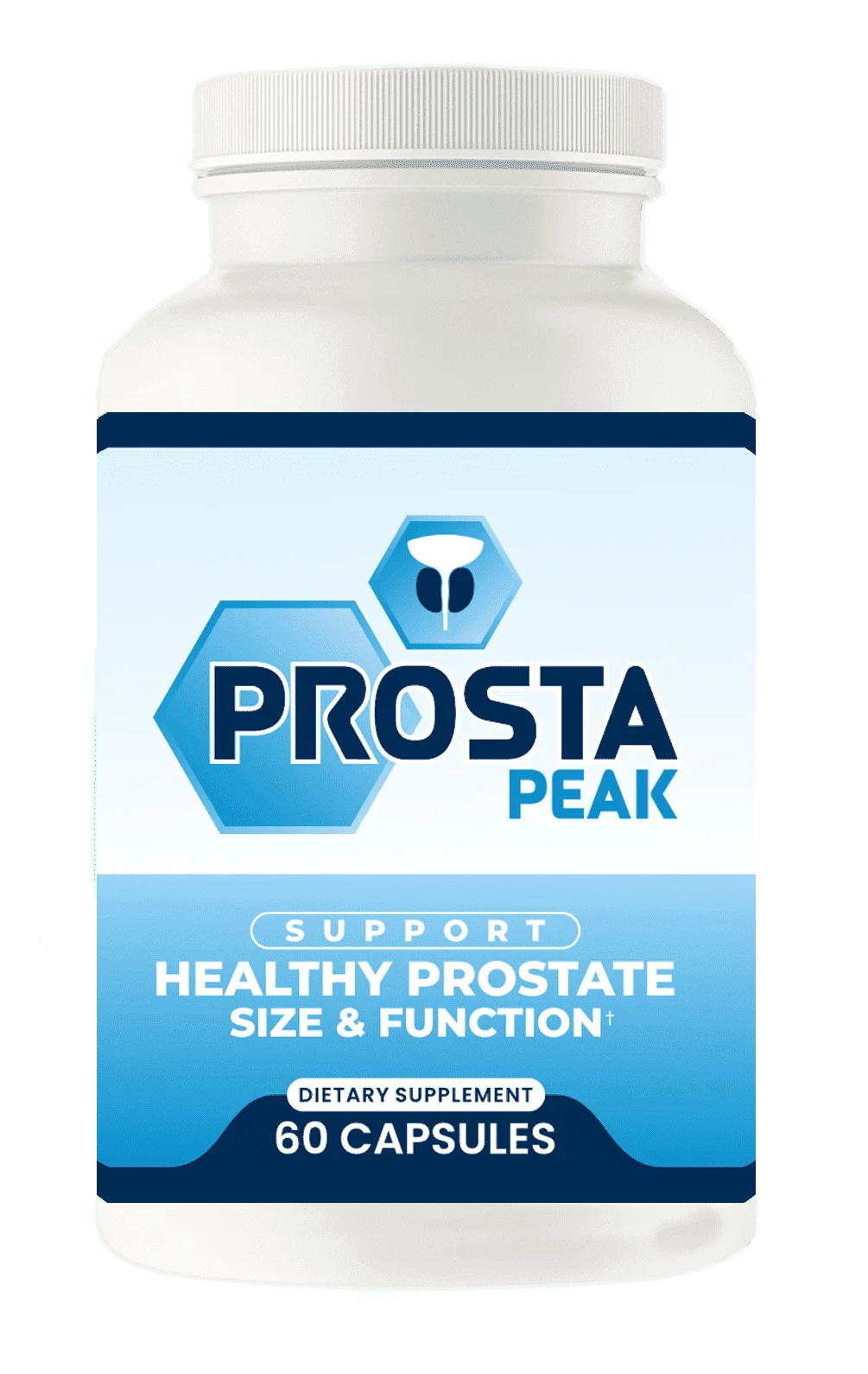
Take Control of Your Prostate Health with ProstaPeak Max
If you're tired of constant bathroom trips, a weak stream, and disturbed sleep due to BPH symptoms, it's time to consider a natural, effective solution. ProstaPeak Max is specifically formulated to address the root causes of an enlarged prostate, offering comprehensive support for your urinary health and overall well-being.
- ✓ Reduces frequent urination and nocturia
- ✓ Improves urine flow and bladder emptying
- ✓ Supports healthy prostate size and function
- ✓ Boosts energy and enhances sleep quality
- ✓ Made with 100% natural, scientifically-backed ingredients




What Our Customers Are Saying
"I was getting up 4-5 times a night, and my wife was ready to move to another room. After a month on ProstaPeak Max, I'm down to 1-2 times, and sometimes none! My stream is stronger, and I feel like I'm finally getting real sleep again."
"I was skeptical about supplements, but my doctor suggested trying a natural approach first. ProstaPeak Max has been a game-changer. The urgency is gone, and I don't dread long car rides anymore. It's truly improved my quality of life."
"My prostate issues started affecting my golf game, always looking for the next restroom. A friend recommended ProstaPeak Max, and I'm so glad I tried it. I feel more confident, less stressed, and my nights are peaceful. Highly recommend!"
Frequently Asked Questions
What are the early signs of an enlarged prostate (BPH) that I should look out for?
+Early signs of BPH often include changes in urination patterns, such as increased frequency, especially at night (nocturia), urgency to urinate, a weak or interrupted urine stream, and difficulty starting urination. You might also feel like your bladder isn't completely empty after you've finished. These symptoms tend to develop gradually but can worsen over time, making it important to consult a doctor if you notice them.
When should I see a doctor about my prostate symptoms?
+You should consult a doctor as soon as you notice persistent urinary symptoms that are affecting your quality of life. This includes frequent urination, difficulty urinating, pain during urination, blood in your urine, or a feeling of incomplete bladder emptying. Early diagnosis is key to managing BPH effectively and ruling out more serious conditions like prostate cancer.
Can lifestyle changes help manage BPH symptoms?
+Yes, several lifestyle changes can help manage BPH symptoms. These include reducing fluid intake before bedtime, limiting caffeine and alcohol, avoiding decongestants and antihistamines, maintaining a healthy weight, exercising regularly, and practicing bladder training techniques. Dietary adjustments, such as increasing intake of fruits, vegetables, and healthy fats, can also support prostate health.
What is ProstaPeak Max, and how does it support prostate health?
+ProstaPeak Max is a natural dietary supplement formulated with a blend of ingredients known for their potential benefits to prostate health. It aims to support normal prostate size, reduce urinary frequency and urgency, improve urine flow, and enhance overall bladder function. Ingredients like Saw Palmetto, Pygeum, and Green Tea are included for their anti-inflammatory and antioxidant properties, which can help alleviate common BPH symptoms.
Are there any side effects associated with ProstaPeak Max?
+ProstaPeak Max is made with natural ingredients and is generally well-tolerated. However, as with any supplement, individual reactions can vary. Some people might experience mild digestive upset. It's always recommended to consult with your healthcare provider before starting any new supplement, especially if you have pre-existing medical conditions or are taking other medications, to ensure it's suitable for you.
How long does it take to see results from using ProstaPeak Max?
+The time it takes to experience noticeable improvements with ProstaPeak Max can vary from person to person, depending on individual physiology and the severity of symptoms. While some users may report feeling better within a few weeks, it's generally recommended to use the supplement consistently for at least 60-90 days to allow the natural ingredients to build up in your system and provide their full benefits. Consistent use alongside a healthy lifestyle often yields the best results.
Related Articles