Are your hormones impacting your prostate health?
For many men, the topic of prostate health often comes with a degree of apprehension, especially as they age. What's often overlooked is the profound connection between key male hormones, particularly testosterone, and the well-being of this vital gland. Understanding this relationship is not just about managing symptoms; it's about empowering yourself with knowledge for proactive health management.
The prostate gland, a small but mighty organ, plays a significant role in male reproductive and urinary function. Its health is intricately linked to the delicate balance of hormones circulating within the male body. Disruptions in this balance can lead to common conditions like Benign Prostatic Hyperplasia (BPH), or an enlarged prostate, which affects millions worldwide.
The Prostate Gland: A Vital Hub of Male Health
Before delving into hormonal connections, it's essential to understand the prostate gland itself and its functions.
The prostate is a small, walnut-sized gland located just below the bladder and in front of the rectum. It surrounds the urethra, the tube that carries urine and semen out of the body. Its primary role is to produce seminal fluid, a milky fluid that nourishes and transports sperm. This fluid is crucial for male fertility and reproductive function. Beyond reproduction, the prostate also plays a role in urinary control, as its muscular tissue helps regulate the flow of urine from the bladder.
While often associated with issues in later life, the prostate is active throughout a man's life. Its health is not just about avoiding disease; it's about maintaining overall vitality and quality of life. Understanding its normal function is the first step in recognizing when something might be amiss. When the prostate gland functions optimally, men typically experience a strong, consistent urinary flow and healthy reproductive capabilities. However, various factors, including age and hormonal fluctuations, can impact its health, leading to common concerns such as an enlarged prostate or urinary discomfort.
💡 Key Takeaway
The prostate gland is crucial for male reproductive and urinary health, producing seminal fluid and aiding urinary control. Its proper function is vital for overall male well-being.
Testosterone: The Male Hormone and Its Complex Relationship with the Prostate
Testosterone is often hailed as the quintessential male hormone, responsible for muscle mass, bone density, libido, and energy levels. However, its interaction with the prostate is far more nuanced than a simple cause-and-effect relationship.
Testosterone itself doesn't directly cause prostate enlargement or issues. Instead, it's a potent derivative of testosterone, called dihydrotestosterone (DHT), that plays a more significant role. Within the prostate cells, an enzyme called 5-alpha-reductase converts testosterone into DHT. DHT is a much more potent androgen than testosterone and is critical for male development during puberty. However, in adulthood, especially as men age, elevated levels of DHT can become problematic for the prostate.
The prostate gland is highly sensitive to DHT. This hormone stimulates the growth of prostate cells. While this is normal and necessary for the gland's development, an overabundance of DHT can lead to excessive cell growth, resulting in the condition known as Benign Prostatic Hyperplasia (BPH). It's not necessarily about having "too much" testosterone, but rather how testosterone is metabolized within the prostate and the sensitivity of the prostate cells to DHT.
As men age, typically starting in their 40s and 50s, hormonal shifts occur. While total testosterone levels might gradually decline, the balance between testosterone and other hormones, like estrogen, can change. More importantly, the activity of the 5-alpha-reductase enzyme can increase, leading to higher levels of DHT in the prostate, even if overall testosterone levels are decreasing. This complex interplay underscores why maintaining hormonal balance is key for long-term prostate health, rather than simply focusing on testosterone levels alone.
Understanding Benign Prostatic Hyperplasia (BPH) and Urinary Issues
BPH is a non-cancerous enlargement of the prostate gland, and it is incredibly common, affecting approximately 50% of men in their 50s and up to 80% of men in their 80s.
What is BPH?
BPH occurs when the cells of the prostate gland multiply, causing the gland to swell and press against the urethra. This compression obstructs the flow of urine from the bladder. It's important to note that BPH is not prostate cancer, nor does it increase the risk of prostate cancer, although the two conditions can coexist.
Common Urinary Symptoms
The symptoms of BPH are primarily urinary in nature due to the prostate's location surrounding the urethra. These can include frequent urination, especially at night (nocturia), a weak or slow urinary stream, difficulty starting urination (hesitancy), dribbling at the end of urination, and a feeling of incomplete bladder emptying. These symptoms can range from mild to severe and significantly impact a man's quality of life.
Impact on Quality of Life
Beyond the physical discomfort, BPH symptoms can lead to sleep disruption, anxiety, and a reduced sense of well-being. The constant need to find a restroom or the embarrassment of urinary leakage can limit social activities and travel. Addressing these symptoms is crucial for maintaining an active and fulfilling lifestyle.
Potential Complications
If left unmanaged, severe BPH can lead to more serious complications, such as urinary tract infections, bladder stones, bladder damage, or even kidney damage. This underscores the importance of not ignoring symptoms and seeking appropriate advice or solutions, whether through lifestyle changes, medical interventions, or supportive natural remedies.
Navigating Hormonal Shifts: What Happens as Men Age?
Aging brings about a natural decline in various bodily functions, and hormonal changes are among the most significant for men's health, particularly concerning the prostate.
While the term "andropause" is sometimes used to describe the male equivalent of menopause, the hormonal changes in men are typically more gradual. Testosterone levels generally begin a slow decline after age 30, but it's the interplay with other hormones and enzymes that primarily impacts the prostate. As mentioned, the enzyme 5-alpha-reductase, responsible for converting testosterone to DHT, can become more active with age. This leads to a relative increase in DHT within the prostate, even if circulating testosterone levels are lower. This heightened DHT activity is a primary driver of prostate cell proliferation, leading to BPH.
Furthermore, the balance between estrogens and androgens also shifts. Estrogen levels, which are present in men in smaller amounts, tend to remain stable or even slightly increase with age, while testosterone declines. This altered ratio can also contribute to prostate growth. The prostate, being an androgen-dependent organ, responds to these complex hormonal signals. Understanding these natural age-related shifts is crucial for developing effective strategies to maintain prostate health and mitigate the impact of an enlarged prostate and associated urinary issues. It's a reminder that prostate health is a lifelong journey, requiring attention and proactive measures as the body evolves.
Holistic Approaches to Support Prostate Health
Dietary Interventions
A diet rich in fruits, vegetables, and healthy fats can significantly benefit prostate health. Foods high in antioxidants, such as berries, leafy greens, and tomatoes (lycopene), are particularly beneficial. Limiting red meat, processed foods, and excessive dairy can also help manage prostate inflammation and growth. Hydration is also key, ensuring adequate water intake throughout the day.
Regular Exercise
Physical activity plays a crucial role in overall health, including prostate health. Regular exercise helps maintain a healthy weight, which is important as obesity is a known risk factor for prostate issues. It also improves circulation, reduces inflammation, and can positively impact hormonal balance. Aim for a mix of aerobic exercise and strength training most days of the week.
Stress Management
Chronic stress can impact hormonal balance and overall well-being, potentially exacerbating prostate symptoms. Incorporating stress-reducing practices like meditation, yoga, deep breathing exercises, or spending time in nature can be beneficial. A relaxed body and mind contribute to a healthier prostate and improved quality of life.
Healthy Lifestyle Choices
Beyond diet and exercise, other lifestyle factors matter. Avoiding smoking, limiting alcohol and caffeine intake, and maintaining a healthy sleep schedule can all contribute to better prostate health. These choices collectively support the body's natural functions and help prevent or manage prostate-related concerns. For more natural remedies, you can explore natural prostate health relief remedies.
Key Natural Ingredients for Prostate Support
For men seeking natural ways to support their prostate health, several botanical extracts and nutrients have garnered significant attention and scientific interest.
Saw Palmetto
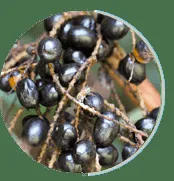
Role: Widely recognized for its ability to support prostate health, Saw Palmetto berries contain fatty acids and plant sterols that may help inhibit the enzyme 5-alpha-reductase, thus reducing the conversion of testosterone to DHT. This can help maintain a healthy prostate size and alleviate urinary symptoms associated with BPH. Learn more about the science behind it here: Saw Palmetto and Prostate Health.
Typical Dose: 160-320 mg daily
Pygeum Bark Extract
Role: Derived from the bark of the African plum tree, Pygeum has been traditionally used to treat urinary disorders. It contains phytosterols that may help reduce inflammation in the prostate and improve urinary flow, offering relief from nocturia and frequent urination.
Typical Dose: 50-200 mg daily
Green Tea Extract
Role: Rich in powerful antioxidants called catechins, particularly epigallocatechin gallate (EGCG), Green Tea extract can help protect prostate cells from oxidative damage and inflammation. Some studies suggest it may also play a role in inhibiting prostate cell growth and supporting overall prostate health.
Typical Dose: 200-500 mg EGCG daily
Soursop Leaf
Role: Soursop (Graviola) leaves are known for their rich content of antioxidants and anti-inflammatory compounds. Emerging research suggests that certain compounds in Soursop may have properties beneficial for cell health and could potentially contribute to inhibiting abnormal cell growth, offering a unique avenue for prostate support.
Typical Dose: 50-250 mg extract daily
Red Raspberry
Role: Red Raspberry is packed with vitamins, minerals, and antioxidants, including ellagic acid, which has shown promise in supporting cellular health. While not directly targeted at DHT, its general anti-inflammatory and antioxidant properties can contribute to a healthy prostate environment and overall male wellness.
Typical Dose: 100-300 mg extract daily
Cat's Claw
Role: Originating from the Amazon rainforest, Cat's Claw bark is valued for its immune-modulating and anti-inflammatory properties. By helping to reduce chronic inflammation, it can indirectly support prostate health, as inflammation is often a contributing factor to prostate issues.
Typical Dose: 250-1000 mg dailyConsidering Supplemental Support: ProstaPeak Max as a Solution
While lifestyle and dietary changes form the bedrock of prostate health, many men find that targeted nutritional supplementation can provide additional, effective support.
For those looking for a comprehensive approach, a well-formulated supplement can bring together a synergy of ingredients known to benefit the prostate. One such solution is ProstaPeak Max. Crafted with a blend of natural extracts and nutrients, ProstaPeak Max is designed to support not only healthy prostate size and function but also to aid in maintaining optimal urinary flow and hormonal balance, specifically addressing the DHT pathway.
Ingredients like Saw Palmetto, Pygeum, and Green Tea extract, which we discussed earlier, are carefully selected in ProstaPeak Max for their scientifically backed roles in prostate health. These components work together to help reduce inflammation, support healthy prostate cell growth, and ease common urinary symptoms like frequent urges and nighttime urination. The aim is to provide a holistic approach to prostate care, complementing a healthy lifestyle.
When considering any supplement, it's always wise to look for products that are transparent about their ingredients, manufactured in a reputable facility, and come with a satisfaction guarantee. ProstaPeak Max aims to meet these standards, offering a natural option for men committed to maintaining their prostate health. For a detailed comparison of ProstaPeak Max against other options, consider reading ProstaPeak Max vs. Other Prostate Supplements to make an informed choice.
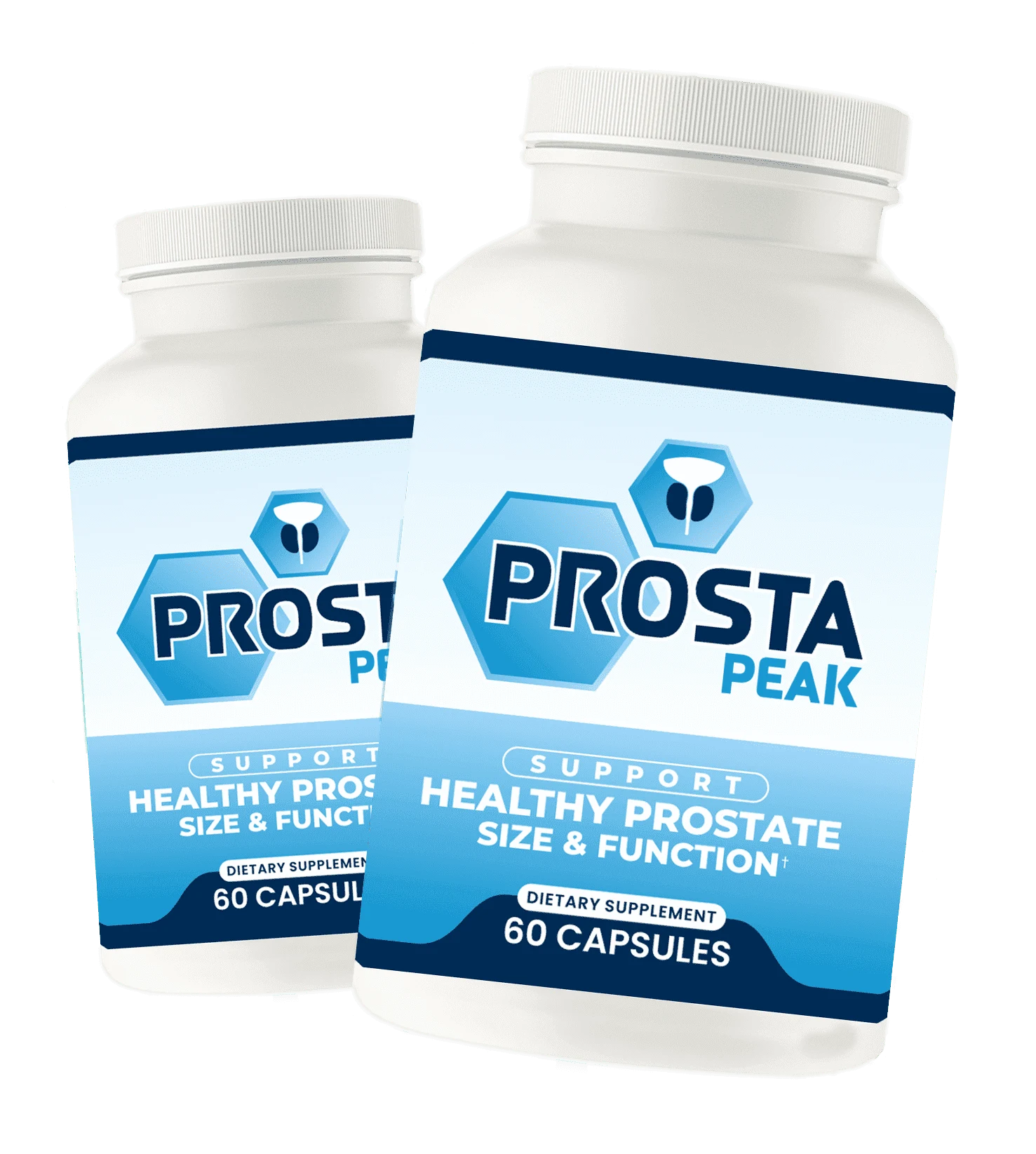
Take Control of Your Prostate Health Today with ProstaPeak Max
Don't let prostate concerns dictate your life. ProstaPeak Max is formulated with a blend of potent natural ingredients, scientifically selected to support prostate health, urinary function, and overall male well-being. Reclaim your comfort and confidence.
- ✓ Supports Healthy Prostate Size
- ✓ Improves Urinary Flow & Reduces Urgency
- ✓ Helps Balance DHT Levels Naturally
- ✓ Promotes Better Sleep by Reducing Nighttime Urination
- ✓ Boosts Overall Male Vitality & Comfort



What Our Customers Are Saying
"I was constantly getting up at night, disrupting my sleep and my wife's. After a few weeks with ProstaPeak Max, I noticed a significant improvement. I'm sleeping through the night again, and my urinary flow is much stronger. It's made a huge difference!"
"I've tried several prostate supplements over the years, but ProstaPeak Max is the first one where I truly felt a consistent positive change. The urgency has lessened, and I feel more comfortable throughout the day. Highly recommend for any man dealing with prostate issues."
"My doctor recommended I look into natural support for my enlarged prostate. ProstaPeak Max stood out with its ingredient list. I'm glad I tried it – my flow is better, and I don't feel that constant pressure anymore. Plus, it's all natural!"
Frequently Asked Questions
What is the prostate gland and what is its primary function?
+The prostate is a small, walnut-sized gland located beneath the bladder in men. Its primary function is to produce seminal fluid, which nourishes and transports sperm. It plays a crucial role in male reproductive health.
How does testosterone specifically influence prostate health?
+While testosterone is vital for male health, its metabolite, dihydrotestosterone (DHT), is a key factor in prostate growth. High levels of DHT can stimulate prostate cells to grow, potentially leading to conditions like Benign Prostatic Hyperplasia (BPH) as men age. Testosterone itself is converted to DHT within the prostate.
What are the common symptoms of an enlarged prostate (BPH) and urinary issues?
+Common symptoms of BPH include frequent urination (especially at night), a weak or interrupted urine stream, difficulty starting urination, dribbling at the end of urination, and a feeling of incomplete bladder emptying. These symptoms arise when the enlarged prostate presses on the urethra, obstructing urine flow.
Can lifestyle changes significantly improve prostate health and reduce symptoms?
+Absolutely. Lifestyle changes can play a significant role. Regular exercise, a balanced diet rich in fruits, vegetables, and healthy fats, maintaining a healthy weight, reducing caffeine and alcohol intake, and managing stress can all contribute to better prostate health and help alleviate some BPH symptoms.
When is it crucial to consult a doctor about prostate-related concerns?
+It is crucial to consult a doctor if you experience any persistent urinary symptoms, such as difficulty urinating, frequent nighttime urination, pain during urination, or blood in your urine. Early diagnosis and intervention are vital for managing prostate conditions effectively and ruling out more serious issues.
How can ProstaPeak Max support prostate health and hormonal balance?
+ProstaPeak Max is formulated with a blend of natural ingredients, including Saw Palmetto, Pygeum, and Green Tea extract, which are traditionally recognized for their potential to support healthy prostate size, improve urinary flow, and help maintain a healthy hormonal balance, particularly concerning DHT levels. It aims to offer comprehensive support for male urological health.
Related Articles