Are You Overlooking a Critical Nutrient for Your Prostate Health?
For many men, concerns about prostate health, including an enlarged prostate (Benign Prostatic Hyperplasia or BPH) and associated urinary issues, become a significant part of aging. While factors like genetics and hormones are well-known contributors, the role of essential micronutrients is often underestimated. One such nutrient, zinc, stands out as particularly vital for maintaining optimal prostate function.
Emerging research and clinical observations increasingly point to a profound connection between zinc deficiency and the development or worsening of prostate problems. Understanding this link is not just academic; it's a crucial step toward proactive health management and finding effective strategies to support your prostate as you age.
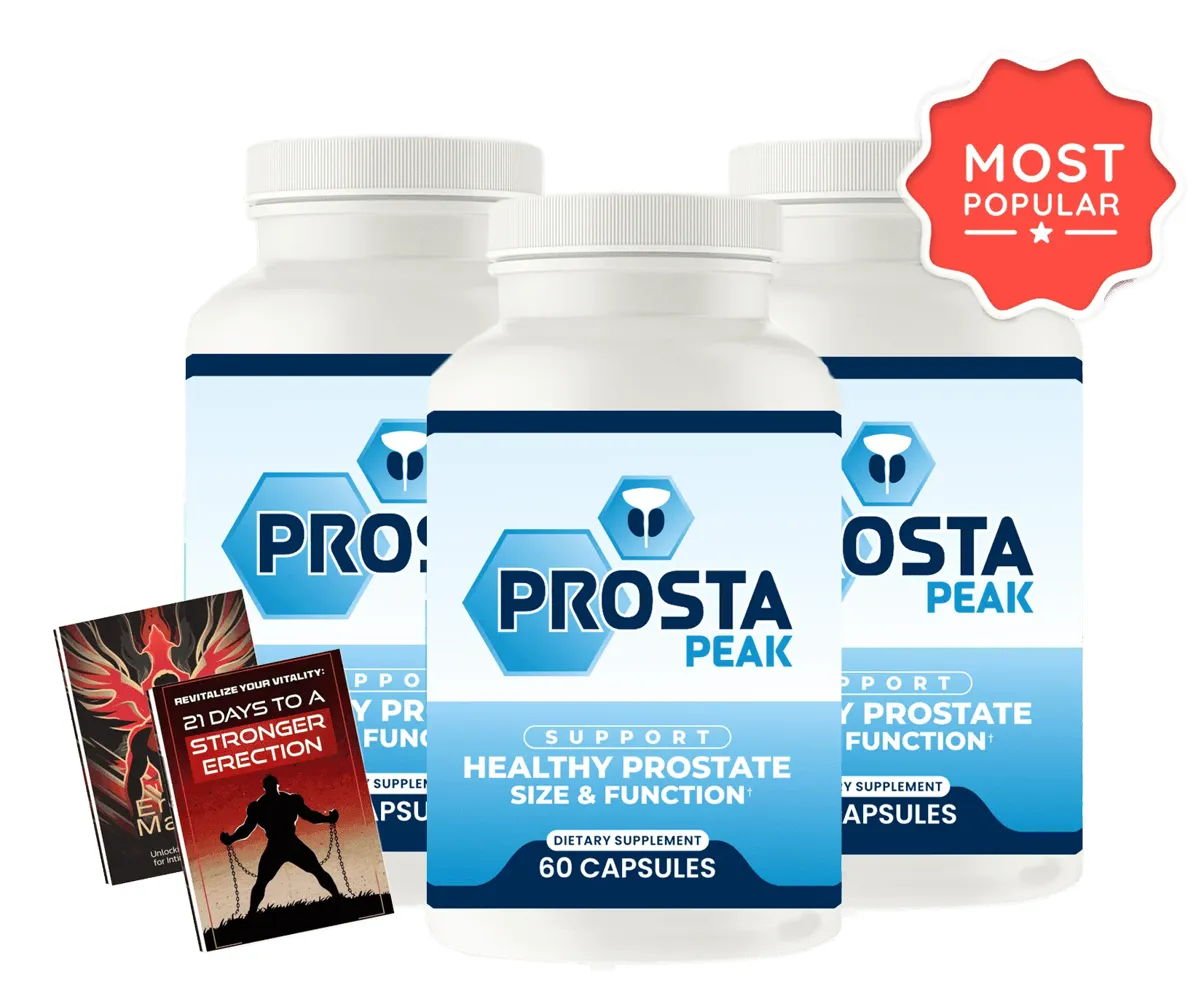
The Prostate Gland: A Vital Organ and Its Common Challenges
Before we delve into the specifics of zinc, it's essential to understand the prostate gland itself and the prevalent issues men face as they age. This small, walnut-sized gland plays a significant role in the male reproductive system, primarily responsible for producing seminal fluid that nourishes and transports sperm.
However, as men enter their 40s and beyond, the prostate often begins to enlarge, a condition known as Benign Prostatic Hyperplasia (BPH). This non-cancerous growth can press against the urethra, the tube that carries urine from the bladder out of the body, leading to a host of uncomfortable and disruptive urinary symptoms. These symptoms commonly include frequent urination, particularly at night (nocturia), a weak or interrupted urine stream, difficulty starting urination, and the feeling of incomplete bladder emptying. While BPH is a natural part of aging for many, its impact on quality of life can be substantial, making daily activities and sleep challenging. Beyond BPH, other prostate concerns like prostatitis (inflammation) and, more seriously, prostate cancer, also highlight the importance of proactive prostate health management.
Understanding these challenges sets the stage for appreciating the critical role that specific nutrients, like zinc, play in maintaining the prostate's delicate balance and function throughout a man's life. The complexity of prostate health demands a holistic approach, where diet and essential micronutrients are given due consideration alongside other medical and lifestyle interventions.
💡 Key Takeaway
The prostate gland's health is crucial for male well-being, with BPH and its associated urinary symptoms being common age-related challenges that significantly impact quality of life.
Zinc: The Unsung Hero of Prostate Health
Among the myriad of essential minerals, zinc holds a unique and particularly prominent position when it comes to male reproductive and prostate health. It's not merely another trace element; zinc is found in higher concentrations in the prostate gland than in any other soft tissue in the body, underscoring its profound importance for this specific organ.
This vital mineral is a co-factor for over 300 enzymes, meaning it's essential for countless biochemical reactions within the body. In the context of the prostate, zinc is involved in a wide array of critical functions, including cellular metabolism, immune response, DNA synthesis, and hormone regulation. It plays a significant role in maintaining the structural integrity of proteins and cell membranes, protecting them from oxidative damage. For the prostate, these functions are not just general health benefits; they are directly tied to preventing abnormal cell growth and maintaining a healthy, functional gland. Adequate zinc levels are crucial for the proper functioning of prostate cells, influencing their growth, differentiation, and programmed cell death (apoptosis).
Furthermore, zinc is a powerful antioxidant, helping to neutralize harmful free radicals that can damage prostate cells and contribute to inflammation. It also plays a key role in the immune system, bolstering the body's defenses against infections that could otherwise lead to prostatitis or exacerbate other prostate conditions. Without sufficient zinc, the prostate's natural defenses and regulatory mechanisms can become compromised, making it more vulnerable to the very issues that men commonly face as they age. This makes zinc not just beneficial, but an absolutely essential nutrient for any man concerned about his long-term prostate health.
The Alarming Reality of Zinc Deficiency and Its Causes
Despite its critical role, zinc deficiency is a widespread global health problem, and men, particularly as they age, are often at a higher risk. This silent epidemic can have far-reaching consequences, extending beyond the prostate to impact overall health and well-being. Recognizing the prevalence and causes of zinc deficiency is the first step toward addressing it effectively.
The primary causes of zinc deficiency are multifaceted. Dietary inadequacy is a leading factor; many modern diets lack sufficient zinc-rich foods, or contain compounds (like phytates in grains and legumes) that inhibit zinc absorption. Older adults are particularly susceptible because their dietary intake may decrease, and their bodies' ability to absorb nutrients from food often declines with age. Furthermore, certain medications, such as diuretics and proton pump inhibitors, can interfere with zinc absorption or increase its excretion. Chronic illnesses, excessive alcohol consumption, and even strenuous exercise can also deplete zinc stores in the body.
The symptoms of zinc deficiency can be subtle and often overlap with other conditions, making it difficult to diagnose without specific testing. Beyond prostate issues, common signs include a weakened immune system leading to frequent infections, impaired wound healing, hair loss, skin problems (like acne or dermatitis), loss of taste or smell, and even vision disturbances. For men, low zinc levels can also contribute to reduced libido and fertility issues, further highlighting its broad impact on male health. This widespread deficiency creates a precarious situation for prostate health, as the gland's high demand for zinc means it's one of the first organs to suffer when intake is insufficient. Understanding these causes and symptoms is vital for proactive health management and considering whether supplementation might be beneficial for maintaining prostate health, alongside other key nutrients like those found in a comprehensive prostate supplement with zinc and selenium.
The Critical Link: How Zinc Deficiency Impacts the Prostate
The direct connection between insufficient zinc and the exacerbation of prostate problems, particularly BPH, is a topic of increasing scientific interest. Research has consistently shown significantly lower zinc concentrations in the prostate tissue of men with BPH and prostate cancer compared to healthy prostates. This deficit isn't just a coincidence; it points to several critical mechanisms through which zinc deficiency can undermine prostate health.
One of the most significant impacts of zinc on the prostate is its role in hormone regulation. Zinc is known to inhibit the enzyme 5-alpha-reductase, which converts testosterone into dihydrotestosterone (DHT). DHT is a potent androgen implicated in prostate growth and the development of BPH. By helping to modulate DHT levels, adequate zinc can contribute to a healthier prostate size. Furthermore, zinc also influences the activity of aromatase, an enzyme that converts testosterone into estrogen. An imbalance between testosterone and estrogen, often seen in aging men, can also contribute to prostate enlargement. Zinc helps maintain a more favorable hormonal environment within the prostate.
Beyond hormones, zinc is a powerful player in the body's immune function and inflammation response. Chronic low-grade inflammation within the prostate is increasingly recognized as a significant factor in the progression of BPH. Zinc acts as an antioxidant, protecting prostate cells from oxidative stress and damage caused by free radicals. It also possesses anti-inflammatory properties, helping to quell the inflammatory cascades that can lead to prostate swelling and discomfort. When zinc levels are low, the prostate becomes more susceptible to chronic inflammation, creating a vicious cycle that can accelerate BPH development and worsen urinary symptoms.
Moreover, zinc plays a crucial role in apoptosis (programmed cell death) and healthy cell growth. In healthy tissue, old or damaged cells are regularly removed through apoptosis. In BPH, this process can become impaired, leading to an accumulation of prostate cells and subsequent enlargement. Zinc is essential for initiating and regulating apoptosis, helping to prevent the uncontrolled proliferation of prostate cells. A deficiency can disrupt this delicate balance, allowing abnormal cells to persist and contribute to hyperplasia. By supporting proper cellular turnover and DNA repair, zinc acts as a protective agent against unchecked prostate growth and cellular damage. This multifaceted influence makes zinc not just a supplement, but a fundamental building block for maintaining a resilient and healthy prostate gland.
Recognizing the Signs of Zinc Deficiency in Men
While the link between zinc and prostate health is compelling, recognizing a zinc deficiency can be challenging because its symptoms are often subtle and can mimic those of other conditions or simply be attributed to aging. However, being aware of the common indicators can help men identify a potential deficiency and seek appropriate intervention.
Weakened Immune System
One of zinc's primary roles is in immune function. Frequent colds, flu, or other infections can be a tell-tale sign of insufficient zinc, as it impairs the body's ability to fight off pathogens effectively.
Impaired Wound Healing
Zinc is crucial for cell growth and repair. If cuts, scrapes, or other wounds take an unusually long time to heal, it could indicate a deficiency in this vital mineral, affecting skin integrity and regeneration.
Loss of Taste or Smell
Zinc plays a key role in the function of taste buds and olfactory receptors. A diminished sense of taste or smell, or a persistent metallic taste, can be a direct symptom of zinc inadequacy.
Hair Loss and Skin Issues
Beyond general aging, unexplained hair thinning or loss, along with persistent skin conditions like acne, eczema, or dermatitis, can be linked to low zinc levels, impacting skin and follicle health.
Reduced Libido and Energy
As zinc is involved in testosterone production and overall energy metabolism, a deficiency can manifest as decreased sex drive, fatigue, and general lack of vitality, often mistaken for normal aging.
Dietary Strategies and Supplementation for Optimal Zinc Intake
For men looking to support their prostate health and combat potential zinc deficiency, a two-pronged approach involving dietary adjustments and, when necessary, targeted supplementation, is often the most effective strategy. While food should always be the primary source of nutrients, modern diets and individual factors can make meeting daily zinc requirements challenging.
Rich Food Sources
Oysters are famously the richest source of zinc. Other excellent dietary sources include red meat (beef, lamb), poultry (chicken, turkey), beans, nuts (cashews, almonds), whole grains, and dairy products. Incorporating these foods regularly into your diet can significantly boost your zinc intake.
Absorption Challenges
Even with a zinc-rich diet, absorption can be an issue. Phytic acid, found in whole grains, legumes, and seeds, can bind to zinc and inhibit its absorption. Soaking, sprouting, or fermenting these foods can help reduce phytate levels and improve nutrient bioavailability. Vitamin C can also enhance zinc absorption.
When to Supplement
If dietary intake is insufficient, or if you have risk factors for deficiency (age, medications, chronic illness), a zinc supplement may be beneficial. Common forms include zinc citrate, zinc picolinate, and zinc gluconate, which are generally well-absorbed. Always consult a healthcare provider before starting any new supplement regimen to determine the appropriate dosage and form.
Balanced Approach
It's crucial to maintain a balanced intake; excessive zinc can interfere with copper absorption and lead to other issues. A balanced approach, often found in comprehensive prostate health supplements, ensures you get adequate zinc without overdoing it, alongside other synergistic nutrients.
Synergistic Nutrients for Comprehensive Prostate Care
While zinc is undeniably a cornerstone of prostate health, it rarely works in isolation. The human body is a complex system, and for optimal prostate function, a symphony of nutrients often works together synergistically. Understanding these partnerships can lead to a more comprehensive and effective approach to prostate care.
One of zinc's most important partners is Selenium. This trace mineral is a powerful antioxidant that works closely with zinc to protect prostate cells from oxidative damage. Selenium also plays a role in DNA repair and immune function, and studies suggest a correlation between adequate selenium intake and reduced risk of prostate issues. Together, zinc and selenium form a formidable defense against cellular stress and inflammation within the prostate.
Another crucial nutrient is Vitamin D. Often referred to as the "sunshine vitamin," Vitamin D is more accurately a hormone that influences cell growth, immune function, and inflammation. Research indicates that optimal Vitamin D levels are associated with better prostate health outcomes, and deficiency can be linked to increased risk of prostate enlargement and other complications. It helps regulate the growth and differentiation of prostate cells, complementing zinc's role in maintaining healthy cellular processes.
Beyond vitamins and minerals, several botanical extracts have garnered significant attention for their prostate-supporting properties. Saw Palmetto (Serenoa repens) is perhaps the most well-known, traditionally used to alleviate BPH symptoms by helping to inhibit the enzyme 5-alpha-reductase, similar to zinc's action, thereby reducing DHT levels. You can learn more about its efficacy in our article on ProstaPeak Max Ingredients: Saw Palmetto and Beta-Sitosterol.
Beta-Sitosterol, a plant sterol found in various fruits, vegetables, nuts, and seeds, has been shown to improve urinary flow and reduce residual urine volume in men with BPH. Its mechanism of action is believed to involve anti-inflammatory effects and the ability to reduce cholesterol absorption, which may impact prostate cell growth. Pygeum Africanum, an extract from the bark of the African plum tree, has also been widely studied for its ability to reduce inflammation, improve urinary symptoms, and support healthy bladder function. Furthermore, antioxidants like those found in Green Tea Extract and ingredients like Cat's Claw contribute to reducing oxidative stress and inflammation, creating a protective environment for the prostate. A comprehensive supplement like ProstaPeak Max often combines these powerful ingredients with zinc to offer a multi-faceted approach to prostate health, addressing various aspects from hormonal balance to inflammation and cellular integrity.
Key Natural Ingredients for Prostate Support
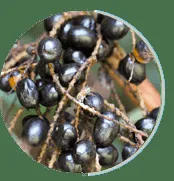
Saw Palmetto Extract
Role: Supports healthy DHT levels by inhibiting the 5-alpha-reductase enzyme, crucial for maintaining prostate size and improving urinary flow.
Typically 160-320mg
Pygeum Africanum Bark
Role: Known for its anti-inflammatory effects, it helps reduce swelling in the prostate and supports better bladder emptying, alleviating BPH symptoms.
Typically 50-100mg
Green Tea Extract
Role: A potent source of antioxidants (polyphenols, catechins), it helps protect prostate cells from oxidative stress and reduces inflammation, promoting overall cellular health.
Typically 150-300mg
Cat's Claw Bark
Role: Offers powerful anti-inflammatory and immune-modulating properties, contributing to reduced prostate inflammation and enhanced cellular defense mechanisms.
Typically 50-100mg
Red Raspberry
Role: Rich in antioxidants and ellagic acid, it supports healthy cellular function and provides protection against oxidative damage within the prostate gland.
Typically 100-200mg
Soursop Leaf
Role: Contains compounds known for their cell-protective properties, contributing to the maintenance of healthy prostate cell growth and overall cellular integrity.
Typically 50-100mgLifestyle Factors for Optimal Prostate Health
While diet and supplementation, particularly with essential nutrients like zinc, are crucial for prostate health, they are most effective when integrated into a broader healthy lifestyle. Holistic prostate care involves a combination of dietary choices, physical activity, and mindful habits that collectively support the gland's function and overall well-being.
Regular physical activity is paramount. Studies consistently show that men who exercise regularly have a lower risk of developing BPH and experience fewer urinary symptoms. Exercise helps maintain a healthy weight, which is a significant factor in prostate health, as obesity can contribute to hormonal imbalances and inflammation that exacerbate prostate issues. Aim for at least 30 minutes of moderate-intensity exercise most days of the week.
Maintaining a healthy weight is closely linked to exercise but deserves its own emphasis. Excess abdominal fat, in particular, can alter hormone metabolism and promote inflammation, both of which negatively impact the prostate. Losing even a modest amount of weight can lead to significant improvements in prostate symptoms and overall health.
Hydration is another simple yet powerful factor. While it might seem counterintuitive for urinary issues, drinking plenty of water throughout the day (and reducing fluid intake closer to bedtime) helps flush the urinary tract and prevents the concentration of urine, which can irritate the bladder. Avoiding excessive caffeine and alcohol, especially in the evenings, can also reduce urinary frequency and urgency.
Finally, stress management plays an often-underestimated role. Chronic stress can impact hormone levels and immune function, creating an environment less conducive to prostate health. Practices like meditation, yoga, deep breathing exercises, or simply engaging in hobbies can help reduce stress and support overall physiological balance. By combining these lifestyle factors with a nutrient-rich diet and targeted supplementation, men can create a powerful strategy for maintaining optimal prostate health as they age. For those seeking comprehensive support, considering a blend of natural ingredients like those found in ProstaPeak Max can be a valuable addition to this holistic approach.
Take the Next Step Towards Optimal Prostate Health
ProstaPeak Max offers a meticulously crafted blend of natural ingredients, including vital zinc, designed to support prostate function, alleviate urinary discomfort, and promote overall male vitality. Formulated for maximum efficacy and purity, it's the natural choice for men seeking comprehensive prostate support.
- Supports healthy prostate size
- Promotes strong urinary flow
- Reduces nighttime urination
- Enhances hormonal balance
- Boosts overall male vitality



What Our Customers Are Saying
"ProstaPeak Max has been a game-changer. My nighttime trips to the bathroom are almost non-existent, and I feel so much more rested. Highly recommend!"
"I was skeptical, but after a few weeks, the difference in my urinary flow was undeniable. ProstaPeak Max really works for me."
"Finally, a natural supplement that delivers! I feel more confident and my prostate symptoms have significantly improved."
Frequently Asked Questions
What is the primary role of zinc in prostate health?
+Zinc is critical for prostate health due to its involvement in hormone regulation, immune function, and cellular processes. It helps maintain healthy prostate cell growth, reduces inflammation, and plays a role in testosterone metabolism.
How common is zinc deficiency in men, especially older men?
+Zinc deficiency is surprisingly common, particularly among older men, due to dietary factors, reduced absorption with age, and certain medications. This deficiency can significantly impact prostate health.
Can zinc deficiency directly lead to an enlarged prostate (BPH)?
+While zinc deficiency isn't the sole cause of BPH, it is a significant contributing factor. Low zinc levels can disrupt hormone balance, promote inflammation, and impair healthy cell death, all of which can contribute to prostate enlargement.
What are the best dietary sources of zinc?
+Excellent dietary sources of zinc include oysters, red meat, poultry, beans, nuts (like cashews and almonds), whole grains, and dairy products. However, absorption can be an issue with some plant-based sources due to phytates.
When should I consider a zinc supplement for prostate support?
+If you suspect a zinc deficiency, experience persistent prostate symptoms, or have dietary restrictions that limit zinc intake, consulting a healthcare professional about supplementation is advisable. A comprehensive supplement like ProstaPeak Max can provide targeted support.
Are there other nutrients that work synergistically with zinc for prostate health?
+Absolutely. Key nutrients like selenium, vitamin D, saw palmetto, beta-sitosterol, and pygeum work alongside zinc to provide comprehensive prostate support by addressing various aspects of prostate health, from inflammation to hormonal balance.
Related Articles