Is Lycopene the Secret Weapon Against Prostate Cancer?
Prostate health is a critical concern for men, especially as they age. With conditions like benign prostatic hyperplasia (BPH) and prostate cancer becoming more prevalent, understanding preventive strategies is more important than ever. While genetics and age play significant roles, lifestyle and dietary choices offer powerful avenues for intervention.
Among the many nutritional compounds studied for their prostate-protective effects, lycopene stands out. This vibrant red carotenoid, commonly found in tomatoes, has garnered substantial scientific attention for its potential to act as a natural defense mechanism against the development and progression of prostate issues, including cancer.
Understanding the Prostate and Its Vulnerabilities
Before delving into lycopene's benefits, it's essential to understand the prostate gland and the common issues it faces. The prostate is a small, walnut-sized gland located just below the bladder in men, surrounding the urethra.
Its primary function is to produce seminal fluid, which nourishes and transports sperm. However, as men age, the prostate is susceptible to several conditions:
- Benign Prostatic Hyperplasia (BPH): This is a non-cancerous enlargement of the prostate gland. It's extremely common, affecting over half of men by age 60 and up to 90% by age 80. BPH can lead to bothersome urinary symptoms such as frequent urination (especially at night), weak urine flow, difficulty starting urination, and a feeling of incomplete bladder emptying. These symptoms can significantly impact quality of life and are often the first sign that prostate health needs attention.
- Prostatitis: Inflammation of the prostate, which can be caused by bacterial infection or other non-bacterial factors. It can cause pain in the groin, pelvic area, or genitals, along with urinary problems and sexual dysfunction.
- Prostate Cancer: This is the most common cancer among men, excluding skin cancer. While often slow-growing and confined to the prostate, it can be aggressive and spread to other parts of the body. Early detection and preventive measures are crucial for managing this serious disease.
Many factors contribute to these conditions, including age, genetics, hormonal changes, and lifestyle. While some risk factors like age and family history are beyond our control, diet and nutrition offer powerful tools for supporting prostate health proactively. This is where compounds like lycopene come into play, offering a natural approach to mitigating risk and maintaining optimal function.
💡 Key Takeaway
The prostate gland is vital for male reproductive health but is prone to conditions like BPH, prostatitis, and prostate cancer with age. Understanding these vulnerabilities underscores the importance of proactive health strategies, especially through diet and nutrition, to support long-term prostate well-being.
What Exactly is Lycopene? The Science Behind the Red Pigment
Lycopene is a bright red carotenoid pigment and phytochemical found in various red and pink fruits and vegetables. It's what gives tomatoes, watermelons, and pink grapefruits their characteristic color. Beyond its aesthetic appeal, lycopene is a powerful antioxidant, meaning it helps protect the body's cells from damage caused by free radicals.
Free radicals are unstable molecules that can harm cells through a process called oxidative stress. This damage is implicated in aging and the development of numerous chronic diseases, including cancer and heart disease. Lycopene's antioxidant prowess is attributed to its unique chemical structure, which allows it to efficiently neutralize single oxygen molecules and other reactive oxygen species.
Research suggests that lycopene is one of the most potent antioxidants among dietary carotenoids. Its bioavailability (how well the body can absorb and utilize it) is enhanced when consumed with fats and when the food is cooked. For example, lycopene from cooked tomato products like paste or sauce is more readily absorbed than from raw tomatoes because cooking breaks down cell walls, releasing the lycopene, and fats aid in its absorption into the bloodstream.
Once absorbed, lycopene is transported in the blood and accumulates in various organs, with particularly high concentrations found in the prostate gland, testes, adrenal glands, and liver. This specific accumulation in the prostate makes it a compound of significant interest for prostate health research, suggesting a targeted protective effect where it's needed most.
Understanding lycopene's fundamental role as an antioxidant and its preferential accumulation in the prostate sets the stage for exploring its specific benefits in prostate cancer prevention and overall prostate well-being.
Lycopene and Prostate Cancer Prevention: What the Research Says
The link between lycopene intake and prostate cancer risk has been a subject of extensive research for decades. While no single nutrient can guarantee cancer prevention, numerous studies suggest that a diet rich in lycopene may play a significant role in reducing the risk and potentially slowing the progression of prostate cancer.
Potent Antioxidant Activity
Lycopene's primary mechanism of action against cancer is its powerful antioxidant capability. It neutralizes free radicals, which are known to cause DNA damage and cellular mutations that can lead to cancer initiation and progression. By protecting prostate cells from oxidative stress, lycopene helps maintain cellular integrity.
Anti-inflammatory Effects
Chronic inflammation is a known risk factor for various cancers, including prostate cancer. Lycopene has demonstrated significant anti-inflammatory properties, helping to reduce inflammatory markers and pathways within the prostate gland. This reduction in inflammation can create an environment less conducive to cancer development.
Modulation of Cell Growth and Apoptosis
Studies have shown that lycopene can influence cell signaling pathways involved in cell growth, differentiation, and programmed cell death (apoptosis). It can help regulate the cell cycle, potentially inhibiting the uncontrolled proliferation of prostate cancer cells and encouraging abnormal cells to undergo apoptosis, effectively clearing them from the body.
Interference with IGF-1 Signaling
Insulin-like Growth Factor-1 (IGF-1) is a hormone linked to cell growth and a higher risk of several cancers, including prostate cancer. Some research suggests that lycopene may interfere with IGF-1 signaling, thereby potentially reducing its proliferative effects on prostate cells and lowering cancer risk.
DNA Protection and Repair
Beyond preventing damage, lycopene may also play a role in supporting DNA repair mechanisms. By protecting DNA from damage and assisting in its repair, lycopene contributes to genetic stability within prostate cells, which is crucial for preventing cancerous transformations.
While the evidence is compelling, it's important to note that most studies point to lycopene as part of a broader healthy diet and lifestyle. It's not a magic bullet, but rather a powerful component in a multi-faceted approach to prostate health. Regular consumption of lycopene-rich foods and potentially targeted supplementation can be a valuable strategy for men concerned about prostate cancer prevention.
Dietary Sources: Getting Enough Lycopene Naturally
Incorporating lycopene into your diet is straightforward and delicious, given its presence in many common fruits and vegetables. To maximize its benefits for prostate health, it's crucial to understand which foods are the richest sources and how to best prepare them for optimal absorption.
Top Lycopene-Rich Foods:
- Tomatoes and Tomato Products: This is by far the most potent source. Cooked tomatoes, such as tomato paste, purees, sauces, and juice, offer significantly higher bioavailability of lycopene than raw tomatoes. A single tablespoon of tomato paste can contain as much as 10 mg of lycopene, while a serving of tomato soup might have 20 mg or more.
- Watermelon: A refreshing summer fruit, watermelon is an excellent source of lycopene, often rivaling tomatoes in concentration. A single serving can provide a substantial amount.
- Pink Grapefruit: While not as high as tomatoes or watermelon, pink grapefruit offers a good dose of lycopene along with other beneficial nutrients.
- Guava: This tropical fruit is surprisingly rich in lycopene, often containing more per serving than raw tomatoes.
- Papaya: Another tropical fruit that contributes a notable amount of lycopene to your diet.
- Red Bell Peppers: These vibrant vegetables contain lycopene, though in lesser amounts compared to tomatoes.
Tips for Maximizing Lycopene Absorption:
The bioavailability of lycopene is greatly influenced by how it's prepared and consumed:
- Cook Your Tomatoes: Heat processing, like cooking tomatoes into sauces or pastes, breaks down the cell walls, releasing lycopene and making it more accessible for absorption.
- Pair with Healthy Fats: Lycopene is a fat-soluble compound, meaning it needs fat to be properly absorbed by the body. Always consume lycopene-rich foods with a source of healthy fats, such as olive oil, avocado, nuts, or seeds. For example, a tomato sauce simmered with olive oil is ideal.
- Combine Sources: Don't rely on just one source. Enjoy a variety of lycopene-rich foods throughout your week to ensure a consistent intake.
By making conscious choices to include these foods and preparation methods in your daily routine, you can naturally boost your lycopene intake and provide your prostate with valuable nutritional support. Remember, a diet rich in diverse fruits and vegetables is always the cornerstone of good health.
💡 Key Takeaway
To maximize lycopene intake, prioritize cooked tomato products, watermelon, and guava. Always consume these foods with healthy fats to enhance absorption, making dietary choices a powerful tool for prostate health.
Beyond Lycopene: A Holistic Approach to Prostate Health
While lycopene is a star player in prostate health, it's part of a larger team. Optimal prostate health, and indeed overall wellness, is achieved through a holistic approach that integrates diet, lifestyle, regular medical check-ups, and targeted supplementation when appropriate. Relying on a single nutrient or strategy is rarely as effective as a comprehensive plan.
Dietary Strategies for Prostate Wellness:
- Cruciferous Vegetables: Broccoli, cauliflower, Brussels sprouts, and cabbage contain compounds like sulforaphane and indole-3-carbinol, which have been linked to cancer prevention and detoxification processes.
- Omega-3 Fatty Acids: Found in fatty fish (salmon, mackerel), flaxseeds, and walnuts, omega-3s are powerful anti-inflammatory agents that can help reduce prostate inflammation.
- Zinc: This essential mineral is highly concentrated in the prostate and plays a crucial role in its function. Good sources include oysters, lean red meat, poultry, beans, and nuts.
- Selenium: An antioxidant mineral found in Brazil nuts, seafood, and whole grains, selenium works synergistically with other antioxidants to protect cells.
- Limit Red and Processed Meats: High consumption of these meats has been associated with an increased risk of prostate cancer. Opt for lean protein sources like fish, poultry, and plant-based proteins.
- Reduce Dairy Intake: Some studies suggest a link between high dairy consumption and prostate cancer risk, although more research is needed. Consider moderating intake or choosing lower-fat options.
- Hydration: Drinking plenty of water helps flush the urinary system and supports overall kidney and bladder health, indirectly benefiting the prostate.
Lifestyle Factors for a Healthy Prostate:
- Regular Exercise: Physical activity helps maintain a healthy weight, reduces inflammation, and improves circulation, all of which are beneficial for prostate health. Aim for at least 30 minutes of moderate exercise most days of the week.
- Maintain a Healthy Weight: Obesity is a known risk factor for aggressive prostate cancer. Losing excess weight can significantly reduce this risk.
- Manage Stress: Chronic stress can impact hormonal balance and immune function, potentially affecting prostate health. Incorporate stress-reduction techniques like meditation, yoga, or hobbies.
- Avoid Smoking: Smoking is a major risk factor for many cancers, including prostate cancer. Quitting smoking is one of the most impactful steps you can take for your health.
- Limit Alcohol: Excessive alcohol consumption can contribute to inflammation and other health issues. Moderate intake is key.
By adopting these comprehensive dietary and lifestyle habits, men can create a powerful internal environment that supports prostate health and resilience against common conditions. For more natural ways to support your prostate, you can read our article on how to improve prostate health naturally.
Pillars of Prostate Wellness
Nutrient-Rich Diet
Emphasize fruits, vegetables (especially cruciferous), whole grains, and lean proteins. Focus on antioxidants like lycopene and essential minerals like zinc to nourish prostate cells.
Active Lifestyle
Regular physical activity helps maintain a healthy weight, improves circulation, and reduces systemic inflammation, all crucial for supporting prostate gland function and overall health.
Regular Check-ups
Consistent dialogue with your doctor, including discussions about PSA screenings and digital rectal exams (DRE) when appropriate, ensures early detection and timely management of any prostate concerns.
Targeted Supplementation
Consider high-quality supplements that provide concentrated doses of beneficial ingredients, such as saw palmetto, pygeum, green tea extract, and lycopene, to complement dietary efforts.
The Role of Supplements: Enhancing Your Prostate Health Strategy
Even with the most diligent diet and lifestyle, it can sometimes be challenging to obtain optimal levels of all the nutrients beneficial for prostate health. This is where high-quality dietary supplements can play a supportive role, providing concentrated forms of vitamins, minerals, and herbal extracts known for their prostate-protective properties.
Supplements are not meant to replace a healthy diet but rather to bridge nutritional gaps and offer additional therapeutic support. When considering supplements for prostate health, it's important to look for formulations that combine synergistic ingredients, maximizing their collective benefits.
One such comprehensive solution is ProstaPeak Max. Developed by leading urological health researchers, ProstaPeak Max is designed to support prostate health from multiple angles, incorporating many of the key ingredients discussed in scientific literature. It aims to promote healthy prostate size, improve urinary function, and provide antioxidant and anti-inflammatory support.
ProstaPeak Max includes a carefully selected blend of natural compounds, each chosen for its specific role in supporting prostate wellness. While individual ingredients like lycopene are powerful on their own, a multi-ingredient approach often yields more comprehensive results by targeting different aspects of prostate health.
Before starting any new supplement regimen, it is always advisable to consult with your healthcare provider, especially if you have existing medical conditions or are taking other medications. This ensures that the supplement is appropriate for your individual health needs and will not interact negatively with other treatments. For information on the safety of ProstaPeak Max, you can read more about ProstaPeak Max side effects and safety.
Key Ingredients in ProstaPeak Max for Prostate Support
ProstaPeak Max is formulated with a powerful blend of natural ingredients, each scientifically recognized for its potential benefits to prostate health. These ingredients work synergistically to provide comprehensive support.
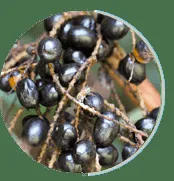
Saw Palmetto
Role: Widely recognized for its ability to support urinary flow and reduce symptoms associated with an enlarged prostate (BPH). It helps inhibit the conversion of testosterone to DHT, a hormone linked to prostate growth.
300-400mg extract
Pygeum Africanum
Role: An African plum tree extract known to reduce inflammation, improve urinary symptoms like nocturia (nighttime urination) and frequency, and support healthy prostate cell function.
100-200mg extract
Green Tea Extract
Role: Rich in antioxidants, particularly EGCG (Epigallocatechin Gallate), which has potent anti-inflammatory and anti-proliferative effects, protecting prostate cells from damage and supporting healthy growth.
200-300mg EGCG
Cat's Claw
Role: Known for its immune-modulating and anti-inflammatory properties. It helps reduce inflammation in the prostate and supports the body's natural defense mechanisms against cellular damage.
200-300mg extract
Soursop
Role: Contains compounds called acetogenins, which have been studied for their potential anti-cancer properties and ability to selectively target and inhibit abnormal cell growth, offering cellular protection.
100-200mg extract
Red Raspberry
Role: Packed with antioxidants, including ellagic acid, which is known for its anti-inflammatory and anti-cancer properties. It supports cellular health and provides additional protective benefits to the prostate.
50-100mg extract
Lycopene
Role: As discussed, a powerful antioxidant that protects prostate cells from oxidative stress, reduces inflammation, and may inhibit the growth of prostate cancer cells.
10-20mgEnlarged Prostate and Urinary Issues: How Lycopene and Supplements Can Help
Beyond the critical topic of prostate cancer prevention, many men experience common and often bothersome symptoms related to an enlarged prostate, medically known as Benign Prostatic Hyperplasia (BPH). These symptoms primarily revolve around urinary function and can significantly diminish quality of life. Understanding how lycopene and comprehensive supplements like ProstaPeak Max can address these issues is key to finding relief.
Understanding BPH and Its Symptoms:
As the prostate gland enlarges, it can press on the urethra, the tube that carries urine from the bladder out of the body. This compression leads to a range of lower urinary tract symptoms (LUTS), including:
- Frequent Urination: Especially at night (nocturia), disrupting sleep.
- Urgency: A sudden, compelling need to urinate.
- Weak Urine Stream: Difficulty maintaining a strong, steady flow.
- Hesitancy: Difficulty starting urination.
- Intermittency: A stop-and-start urine stream.
- Incomplete Emptying: Feeling like the bladder isn't fully emptied, leading to more frequent trips to the bathroom.
Lycopene's Indirect Benefits for BPH:
While lycopene is primarily studied for its role in cancer prevention, its anti-inflammatory and antioxidant properties can indirectly benefit men with BPH. Inflammation is thought to contribute to prostate enlargement. By reducing inflammation, lycopene may help alleviate some of the discomfort associated with BPH and support overall prostate health, potentially slowing its progression.
How Comprehensive Supplements Address Urinary Issues:
This is where multi-ingredient supplements shine. ProstaPeak Max, for example, combines lycopene with other well-researched ingredients specifically chosen for their impact on BPH symptoms:
- Saw Palmetto: Often considered the cornerstone of natural prostate support, saw palmetto helps reduce the conversion of testosterone to dihydrotestosterone (DHT), a hormone that contributes to prostate growth. It's highly effective in improving urinary flow and reducing frequency.
- Pygeum Africanum: This bark extract is known to reduce inflammation and improve urinary symptoms like nocturia and urgency, often leading to a more comfortable and less disruptive urinary pattern.
- Green Tea Extract: Its antioxidant and anti-inflammatory compounds help protect prostate cells and may contribute to reducing overall prostate size and inflammation.
- Zinc and Selenium: These minerals are crucial for prostate health and function. Zinc deficiency has been linked to prostate issues, while selenium offers antioxidant protection.
By combining these ingredients, ProstaPeak Max aims to tackle the root causes of BPH symptoms – prostate enlargement and inflammation – thereby promoting a healthier urinary flow, reducing nighttime trips to the bathroom, and enhancing overall comfort. Many men have found significant relief from their urinary challenges by incorporating such targeted supplementation into their daily routine. You can explore ProstaPeak Max reviews to see real results from users.
💡 Key Takeaway
Lycopene's anti-inflammatory properties can indirectly aid BPH symptoms. However, comprehensive supplements like ProstaPeak Max, with ingredients like Saw Palmetto and Pygeum, directly target prostate enlargement and inflammation to significantly improve urinary flow and reduce bothersome BPH symptoms, enhancing daily comfort.
Take Control of Your Prostate Health Today with ProstaPeak Max
Don't let prostate concerns dictate your life. ProstaPeak Max offers a powerful, all-natural solution designed to support your prostate health, improve urinary function, and provide robust antioxidant protection. Backed by science and formulated with premium ingredients, it's time to experience the difference a dedicated supplement can make.
- ✓ Supports Healthy Prostate Size & Function
- ✓ Promotes Optimal Urinary Flow & Reduces Urgency
- ✓ Packed with Potent Antioxidants like Lycopene
- ✓ Made with 100% Natural & Clinically Researched Ingredients
- ✓ Manufactured in an FDA-Registered, GMP-Certified Facility



What Our Customers Are Saying
"I was constantly getting up at night, and it was exhausting. After a month on ProstaPeak Max, I'm sleeping through the night and my flow is much stronger. It's been a game-changer for my quality of life."
"My doctor recommended looking into natural prostate support, and ProstaPeak Max came highly recommended. I've noticed less discomfort and generally feel healthier. Plus, it's all natural which I appreciate."
"I've tried a few different supplements over the years, but ProstaPeak Max is the first one where I've truly felt a difference. My urinary urgency has significantly decreased, and I feel more confident about my prostate health."
Frequently Asked Questions
What is lycopene and how does it help prostate health?
+Lycopene is a powerful antioxidant carotenoid found in red fruits and vegetables. It helps protect cells from oxidative damage, reduces inflammation, and may inhibit the growth of prostate cancer cells, contributing to overall prostate health and potentially lowering cancer risk.
Which foods are the best dietary sources of lycopene?
+The richest sources of lycopene include cooked tomatoes and tomato products (paste, sauce, juice), watermelon, pink grapefruit, guava, and papaya. Cooking tomatoes and consuming them with a small amount of healthy fat (like olive oil) significantly enhances lycopene absorption.
Can supplements like ProstaPeak Max replace a healthy diet and lifestyle for prostate health?
+No, supplements like ProstaPeak Max are designed to complement, not replace, a healthy diet and active lifestyle. They provide concentrated nutrients and herbal extracts that can support prostate health, but foundational health practices remain crucial for overall well-being and disease prevention.
What are the main benefits of ProstaPeak Max for prostate health?
+ProstaPeak Max is formulated with a blend of natural ingredients, including lycopene, saw palmetto, pygeum, and green tea extract. Its benefits include supporting healthy prostate size, promoting normal urinary flow, reducing inflammation, and providing antioxidant protection for prostate cells, thereby contributing to comprehensive prostate health.
Is ProstaPeak Max safe to use, and are there any side effects?
+ProstaPeak Max is made with natural ingredients in an FDA-registered and GMP-certified facility, generally considered safe for most men. However, as with any supplement, individual reactions can vary. It's always recommended to consult your physician before starting any new supplement, especially if you have existing medical conditions or are taking other medications. For more detailed safety information, please refer to our page on ProstaPeak Max side effects and safety.
How long does it take to see results when taking ProstaPeak Max?
+Results can vary from person to person depending on individual factors like age, diet, lifestyle, and the severity of existing prostate issues. Many users report noticeable improvements within a few weeks to a couple of months, particularly regarding urinary symptoms. Consistent use as directed is key to experiencing the full benefits.
Related Articles
