Can Green Tea Truly Support a Healthy Prostate?
For centuries, green tea has been revered for its extensive health benefits, from boosting metabolism to enhancing cognitive function. But beyond its general wellness appeal, a growing body of research points to its significant potential in supporting men's prostate health, particularly concerning conditions like an enlarged prostate.
This article delves into the science behind green tea's prostate-protective properties, focusing on its most powerful compound, Epigallocatechin Gallate (EGCG). We'll explore how this natural powerhouse works at a cellular level to combat inflammation, reduce oxidative stress, and potentially slow the progression of common prostate issues, offering a natural pathway to improved urological well-being.
The Prostate and Its Challenges: A Common Male Concern
The prostate gland, a walnut-sized organ located just below the bladder, plays a crucial role in the male reproductive system. However, as men age, it often becomes a source of significant health concerns, primarily due to conditions like Benign Prostatic Hyperplasia (BPH), commonly known as an enlarged prostate.
BPH is a non-cancerous enlargement of the prostate gland that can compress the urethra, leading to a host of uncomfortable and disruptive urinary symptoms. These include frequent urination, especially at night (nocturia), a weak urine stream, difficulty starting and stopping urination, and the sensation of incomplete bladder emptying. While not life-threatening, these symptoms can severely impact a man's quality of life, affecting sleep, work, and social activities. Understanding the signs of an enlarged prostate and BPH symptoms is the first step towards effective management.
The exact causes of BPH are not fully understood, but it's believed to be linked to hormonal changes that occur with aging, particularly the balance of testosterone and dihydrotestosterone (DHT). Chronic inflammation and oxidative stress within the prostate are also thought to contribute significantly to its development and progression. This is where natural interventions, such as those found in green tea, begin to show promise in addressing some of these underlying factors.
Green Tea: An Ancient Remedy, Modern Scientific Validation
For thousands of years, green tea has been a staple in traditional medicine, particularly in Asian cultures, revered for its healing properties. Unlike black tea, green tea leaves are minimally processed, which helps retain a high concentration of beneficial compounds known as polyphenols, specifically catechins.
These catechins are powerful antioxidants and are responsible for many of green tea's celebrated health benefits. Among them, one stands out as particularly potent and widely studied for its effects on prostate health: Epigallocatechin Gallate, or EGCG. The minimal processing of green tea ensures that these delicate compounds remain largely intact, making it a superior choice over more heavily oxidized teas for therapeutic purposes. Its rich composition of bioactive substances makes it a fascinating subject for modern scientific inquiry, bridging ancient wisdom with contemporary understanding of health and disease.
The global scientific community has increasingly turned its attention to green tea, validating many of its traditional uses through rigorous research. From cardiovascular benefits to metabolic support and cancer prevention, green tea continues to impress researchers with its broad spectrum of positive impacts on human health. For men grappling with prostate issues, the focus has increasingly narrowed to its specific effects on the prostate gland, offering a glimmer of hope for natural, complementary support.
EGCG: The Powerhouse Catechin Explained
At the heart of green tea's prostate-protective capabilities lies EGCG. This remarkable compound is not just any antioxidant; it's a multi-talented molecule capable of influencing various biological pathways critical to prostate health.
EGCG works through several complex mechanisms. Firstly, it is an incredibly potent antioxidant, capable of neutralizing free radicals that cause oxidative damage to cells, including those in the prostate. Oxidative stress is a known contributor to cellular aging and inflammation, both of which play roles in the development and progression of BPH. By mitigating this stress, EGCG helps maintain cellular integrity and function.
Secondly, EGCG exhibits strong anti-inflammatory properties. Chronic inflammation within the prostate gland is a significant factor in BPH. EGCG can suppress the activity of pro-inflammatory enzymes and cytokines, thereby reducing inflammation and associated discomfort. This reduction in inflammation can lead to a healthier prostate environment, potentially easing symptoms related to an enlarged gland.
Furthermore, research suggests EGCG may have anti-androgenic effects. It can interfere with the activity of 5-alpha reductase, an enzyme responsible for converting testosterone into dihydrotestosterone (DHT). DHT is a potent androgen that stimulates prostate cell growth, and its overactivity is implicated in BPH. By potentially modulating DHT levels or its action on prostate cells, EGCG could help regulate prostate size. Its ability to influence hormone signaling pathways is one of the most promising aspects of EGCG's role in prostate health, offering a natural approach to balancing the hormonal factors that contribute to prostate enlargement.
Lastly, EGCG has shown promise in regulating cellular proliferation. In laboratory studies, it has demonstrated the ability to inhibit the excessive growth of prostate cells and even induce apoptosis (programmed cell death) in abnormal cells, without harming healthy ones. This selective action is crucial for maintaining a healthy prostate size and preventing uncontrolled cellular expansion, a hallmark of both BPH and more serious prostate conditions. These diverse mechanisms highlight EGCG as a crucial component in any natural strategy for prostate wellness.
💡 Key Takeaway
EGCG, the primary active compound in green tea, offers significant support for prostate health by acting as a powerful antioxidant, reducing inflammation, modulating hormonal pathways (like DHT), and regulating prostate cell growth. These combined actions make green tea a valuable natural ally against common prostate issues like BPH.
The Core Benefits of Green Tea for Prostate Health
Green tea offers a multi-faceted approach to supporting prostate health, primarily through the synergistic action of its potent compounds, with EGCG leading the charge. These benefits extend beyond simple symptom relief, aiming to address the underlying cellular and biochemical imbalances.
Potent Anti-inflammatory Action
Chronic inflammation is a significant contributor to prostate enlargement and discomfort. EGCG in green tea actively suppresses inflammatory pathways, reducing the production of pro-inflammatory molecules. This can lead to a decrease in prostate swelling and alleviation of associated urinary symptoms, making daily life more comfortable for men with BPH.
Powerful Antioxidant Protection
Oxidative stress damages cells and accelerates aging, playing a role in prostate dysfunction. Green tea catechins, especially EGCG, are formidable antioxidants that neutralize harmful free radicals. This protection helps preserve the integrity and healthy function of prostate cells, shielding them from environmental and metabolic stressors.
Support for Hormonal Balance
Hormonal fluctuations, particularly involving dihydrotestosterone (DHT), are central to BPH development. EGCG may help inhibit the enzyme 5-alpha reductase, which converts testosterone to DHT. By modulating this conversion, green tea can potentially help maintain a healthier hormonal environment within the prostate, influencing its size and growth patterns.
Regulation of Cellular Health and Growth
Uncontrolled cell proliferation is a characteristic of an enlarged prostate. Studies suggest that EGCG can help regulate prostate cell growth by inhibiting excessive cell division and promoting apoptosis (natural cell death) in abnormal cells, without harming healthy ones. This contributes to maintaining a healthy prostate size.
Potential Improvement in Urinary Flow
While indirectly, by reducing inflammation and potentially slowing prostate growth, green tea's benefits can translate into improved urinary function. Less pressure on the urethra means a stronger, more consistent urine stream and a reduction in the urgency and frequency of urination, significantly enhancing quality of life.
Understanding EGCG: The Star Compound
Epigallocatechin Gallate (EGCG) is the most abundant and biologically active catechin in green tea, responsible for the majority of its health benefits related to the prostate. Its unique molecular structure allows it to interact with various biological targets, making it a highly effective natural compound.
Primary Source
EGCG is predominantly found in green tea leaves, particularly in varieties like Sencha, Matcha, and Gyokuro. The minimal oxidation process during green tea production helps preserve its high concentration, unlike black tea where much of the EGCG is converted into other compounds. This makes green tea extracts a potent source for targeted prostate support.
Mechanism of Action
EGCG's effectiveness stems from its ability to modulate multiple cellular pathways. It acts by inhibiting enzymes like COX-2 and 5-LOX, which are involved in inflammation. It also influences growth factors, cell signaling proteins, and genetic expression related to cell division and survival, all contributing to its prostate-protective effects. This multi-target approach is key.
Potency and Bioavailability
While potent, EGCG's bioavailability can be a challenge. However, combining it with other compounds or consuming it in specific forms can enhance its absorption and effectiveness. Standardized green tea extracts in supplements are designed to deliver consistent and optimal levels of EGCG, maximizing its therapeutic potential for prostate health.
Scientific Evidence Supporting Green Tea and EGCG
The benefits of green tea and EGCG for prostate health are not merely anecdotal; they are increasingly backed by a growing body of scientific research, ranging from in vitro studies to human clinical trials.
Numerous laboratory studies have demonstrated EGCG's ability to inhibit the growth of prostate cancer cells and induce apoptosis. While these are not directly BPH-related, they highlight EGCG's profound impact on prostate cellular processes. More directly relevant to BPH, animal studies have shown that green tea extracts can reduce prostate size and alleviate inflammatory markers.
Human clinical trials, though still emerging, offer promising insights. One notable study published in the journal "Cancer Prevention Research" involved men with high-grade prostatic intraepithelial neoplasia (HGPIN), a precursor to prostate cancer. Participants who took a green tea catechin extract showed a significantly lower rate of prostate cancer development compared to the placebo group. While this study focused on cancer prevention, the mechanisms (anti-inflammatory, anti-proliferative) are also highly relevant to managing BPH.
Another review of studies highlighted green tea's potential to improve urinary symptoms in men with BPH, attributing these effects to its anti-inflammatory and antioxidant properties. While larger and more extensive human trials are still needed to fully elucidate the optimal dosages and long-term effects, the existing evidence strongly suggests that green tea and EGCG can play a valuable role in a holistic approach to prostate wellness. For those exploring various natural approaches, understanding prostate health remedies that work often includes a look at botanicals like green tea.
It's important to remember that while promising, green tea should be considered as part of a broader healthy lifestyle. It complements, rather than replaces, conventional medical advice and treatments for diagnosed prostate conditions. Always consult with your healthcare provider to integrate green tea or its extracts safely into your health regimen.
Integrating Green Tea into Your Daily Routine
Incorporating green tea into your daily life for prostate health can be both enjoyable and beneficial. There are several ways to ensure you're getting a good dose of EGCG and other beneficial catechins.
The simplest method is to drink freshly brewed green tea. Aim for 2-4 cups daily. Opt for high-quality loose-leaf green tea varieties like Sencha or Matcha, which are known for their higher catechin content. Be mindful of brewing temperature – hot but not boiling water (around 175-185°F or 80-85°C) for 2-3 minutes helps extract the beneficial compounds without making the tea bitter. Avoid adding sugar or artificial sweeteners, as these can negate some of the health benefits.
For those who dislike the taste of green tea or seek a more concentrated dose of EGCG, green tea supplements are an excellent alternative. Look for supplements that are standardized to contain a certain percentage of EGCG (e.g., 50% or 90% EGCG) to ensure consistency and potency. Always choose reputable brands and consult with a healthcare professional before starting any new supplement, especially if you have pre-existing conditions or are taking medications.
Beyond drinking tea or taking supplements, maintaining a generally healthy lifestyle is paramount. This includes a balanced diet rich in fruits, vegetables, and lean proteins, regular physical activity, and stress management. For instance, combining green tea consumption with exercise for prostate health can amplify overall benefits. Lifestyle factors play a huge role in men's urological health, and green tea can be a powerful addition to a comprehensive wellness plan.
When to Consider a Supplement: The Role of ProstaPeak Max
While drinking green tea is undoubtedly beneficial, achieving therapeutic levels of EGCG consistently can be challenging. Factors like brewing method, tea quality, and individual metabolism can affect the amount of active compounds absorbed. This is where a high-quality, standardized supplement becomes a valuable option.
Supplements offer a convenient and reliable way to ensure a consistent and concentrated dose of EGCG, along with other prostate-supportive nutrients. For men experiencing persistent urinary symptoms or those looking for comprehensive support for their prostate health, a well-formulated supplement can provide a more targeted approach than tea alone. It's particularly useful for individuals who may not enjoy the taste of green tea or find it difficult to incorporate multiple cups into their daily routine.
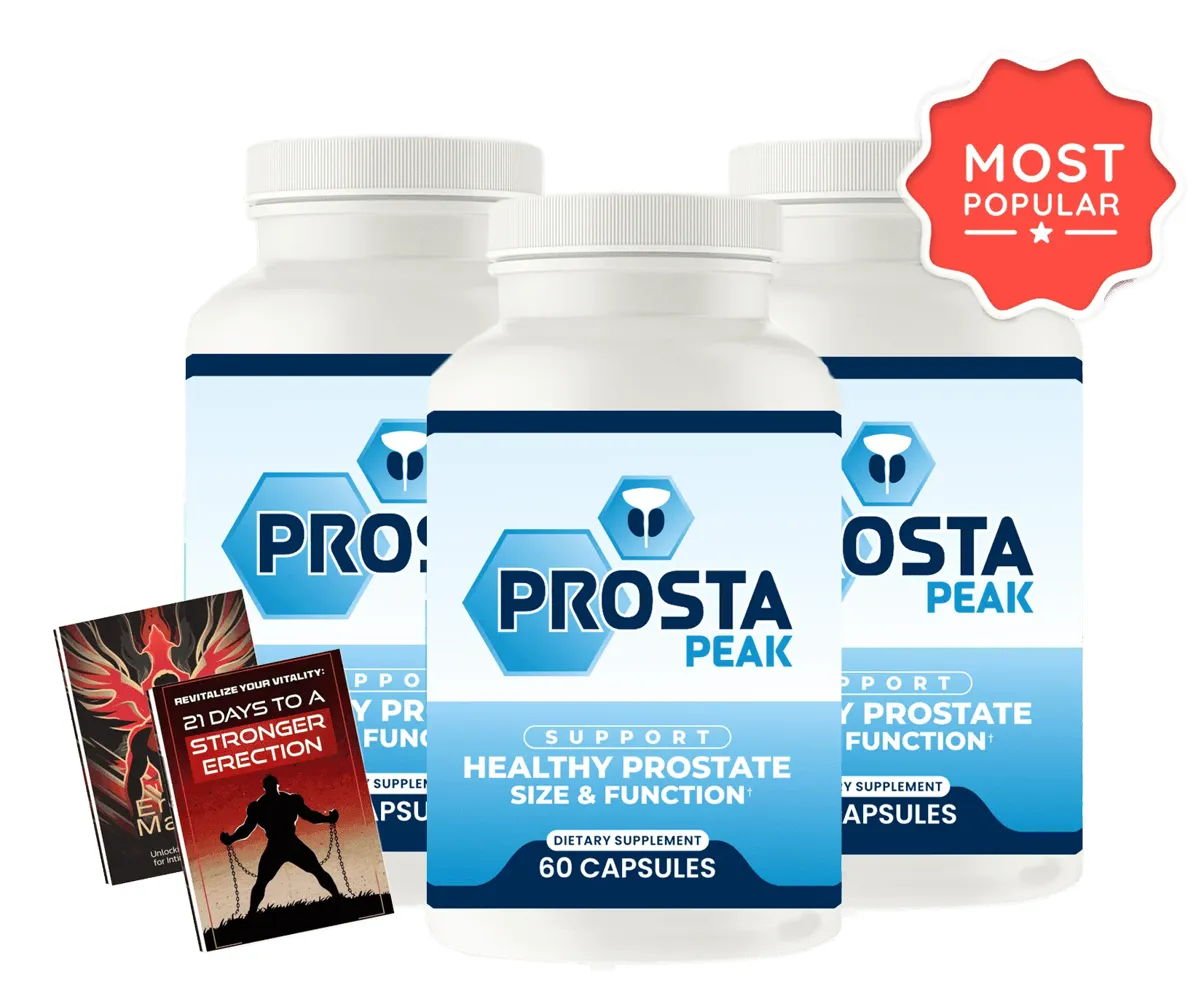
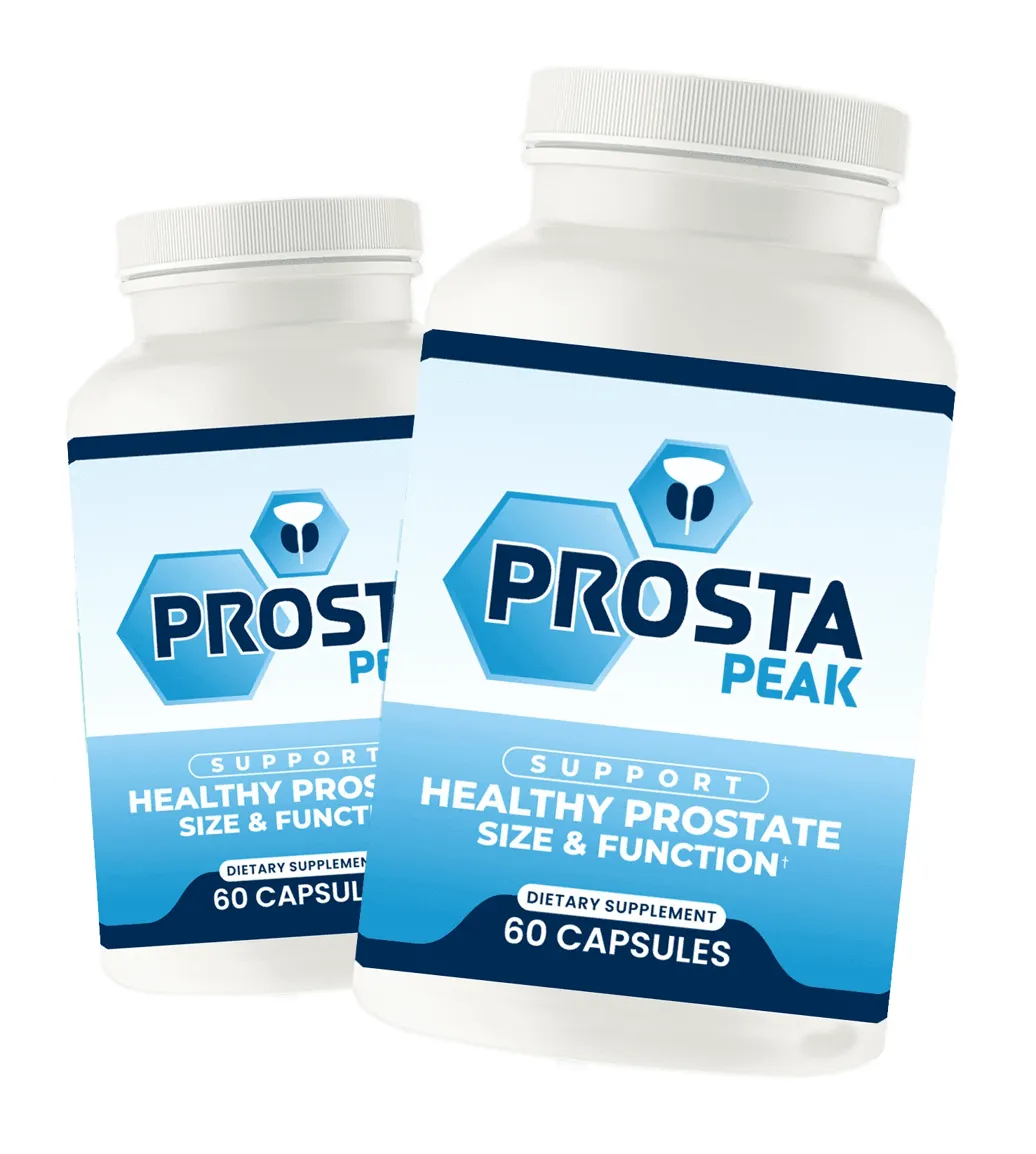
ProstaPeak Max is one such solution designed to provide targeted prostate support. It incorporates a potent green tea extract, standardized for its EGCG content, ensuring you receive the maximum benefits of this powerful compound. But ProstaPeak Max doesn't stop there; it combines EGCG with a blend of other clinically studied ingredients known for their efficacy in promoting prostate wellness. This synergistic formulation aims to address various aspects of prostate health, from reducing inflammation to supporting healthy urinary function.
By choosing a comprehensive supplement like ProstaPeak Max, you're not just getting EGCG; you're benefiting from a carefully curated blend of botanicals and nutrients designed to work together. This holistic approach can offer more robust support for men dealing with the challenges of an enlarged prostate and other urinary issues, providing a convenient pathway to better urological health.
Beyond Green Tea: Synergistic Support for Your Prostate
While green tea and EGCG are powerful allies, a holistic approach often involves a blend of natural ingredients known for their prostate-supportive properties. ProstaPeak Max combines several such ingredients to offer comprehensive care, working synergistically with green tea to maximize benefits.

Green Tea Extract (EGCG)
Role: Potent antioxidant and anti-inflammatory agent, helps regulate prostate cell growth and hormone balance.
Standardized 300-500mg
Saw Palmetto
Role: Widely recognized for supporting healthy urinary flow and reducing BPH symptoms by potentially inhibiting DHT conversion.
Extract 320mg
Pygeum Africanum
Role: Helps reduce inflammation, improve urinary symptoms like nocturia and frequency, and supports bladder emptying.
Extract 100-200mg
Cat's Claw
Role: Known for its powerful anti-inflammatory and immune-modulating properties, contributing to overall prostate health.
Standardized 250-500mg
Soursop
Role: Contains acetogenins, which are studied for their potential to support healthy cell growth and antioxidant benefits.
Powder 100-300mg
Red Raspberry
Role: Rich in antioxidants and ellagic acid, which supports cellular health and provides additional anti-inflammatory effects.
Powder 100-200mg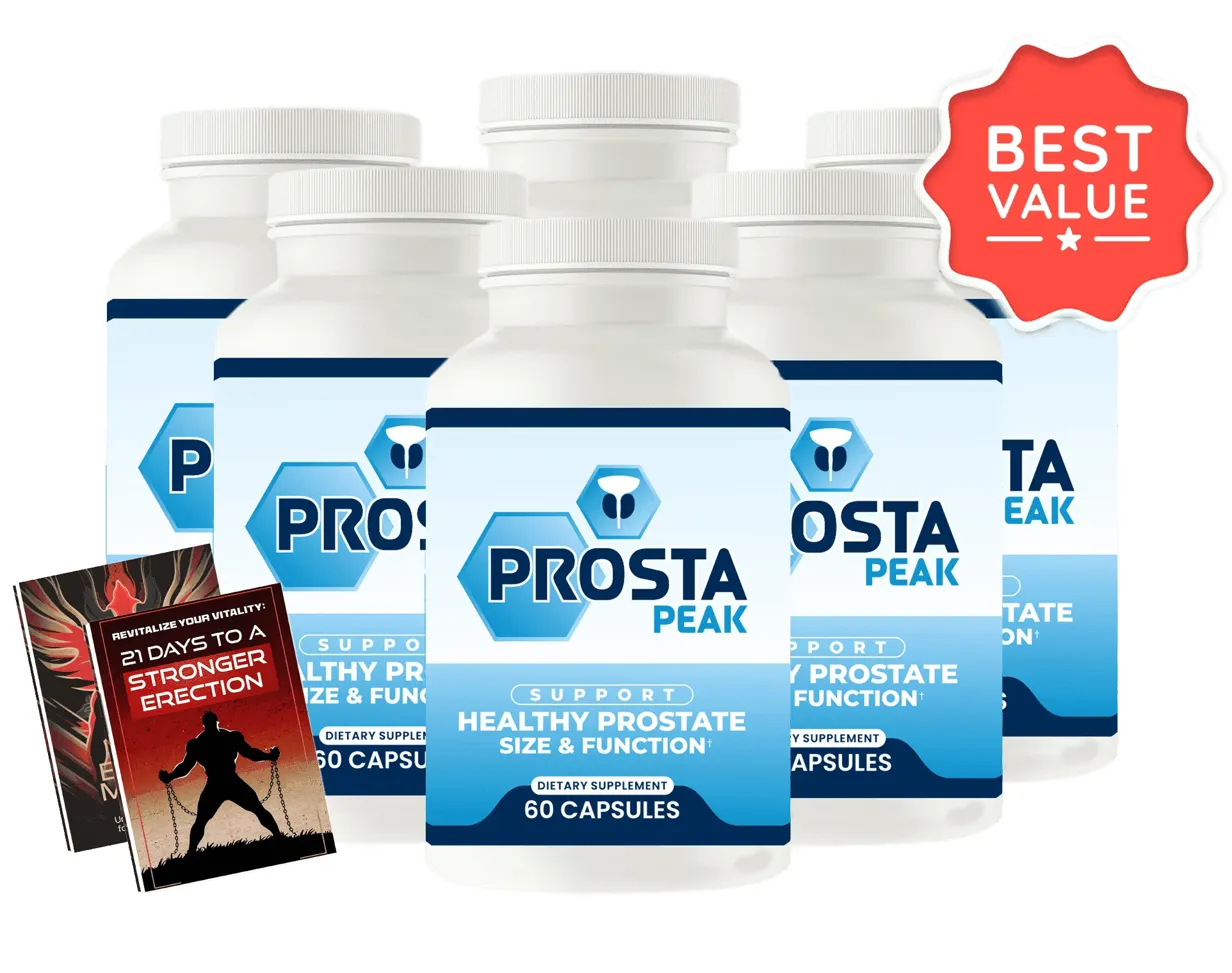
Take Control of Your Prostate Health Today
Don't let prostate issues dictate your life. ProstaPeak Max offers a powerful, all-natural solution designed to support prostate health, reduce urinary discomfort, and improve overall quality of life. Formulated with clinically studied ingredients like potent green tea extract and other botanicals, it's time to experience the difference.
- Supports healthy prostate size
- Alleviates frequent urination
- Enhances urinary flow & bladder emptying
- Reduces inflammation and oxidative stress
- Boosts overall male vitality



Real Men, Real Results: Stories of Improved Prostate Health
"I was skeptical at first, but ProstaPeak Max has truly made a difference. My nighttime bathroom trips have significantly reduced, and I feel like I'm finally getting a full night's sleep. The constant urgency is gone, and I feel much more comfortable throughout the day. Highly recommend!"
"After years of struggling with a weak stream and incomplete emptying, I decided to try a natural approach. ProstaPeak Max, with its green tea and other ingredients, really delivered. My flow is stronger, and I no longer feel like I have to rush to the bathroom all the time. It's been a game-changer for my comfort."
"I appreciate the natural ingredients in ProstaPeak Max. I've been taking it for a few months now, and the improvement in my prostate health is noticeable. Less discomfort, fewer bathroom breaks, and generally feeling more energetic. It's a foundational part of my daily health regimen."
Frequently Asked Questions
How does green tea specifically help with an enlarged prostate (BPH)?
+Green tea, particularly its active compound EGCG, helps manage Benign Prostatic Hyperplasia (BPH) through several mechanisms. It acts as a powerful antioxidant, reducing oxidative stress on prostate cells. EGCG also possesses strong anti-inflammatory properties, which can alleviate the chronic inflammation often associated with BPH and its symptoms. Furthermore, studies suggest EGCG may help regulate hormonal pathways, such as inhibiting 5-alpha reductase, which converts testosterone to dihydrotestosterone (DHT) – a hormone implicated in prostate growth. By potentially slowing prostate cell proliferation and promoting healthy cell death, green tea offers a multi-pronged approach to supporting prostate health.
What is EGCG and why is it so important for prostate health?
+EGCG stands for Epigallocatechin Gallate, and it is the most abundant and biologically active catechin found in green tea. Its importance for prostate health stems from its exceptional antioxidant, anti-inflammatory, and anti-androgenic properties. EGCG scavenges harmful free radicals, protecting prostate cells from damage. It also modulates various signaling pathways involved in inflammation, helping to reduce prostate swelling and discomfort. Moreover, EGCG has been shown to influence hormone metabolism, which is crucial for managing prostate size and function. These combined actions make EGCG a key component in green tea's potential benefits for men's urological wellness.
How much green tea should I consume for prostate benefits?
+Research on optimal green tea consumption for prostate health varies, but many studies suggest that regular intake of several cups per day (e.g., 3-5 cups) of freshly brewed green tea, or a standardized green tea extract supplement, may be beneficial. The exact dosage depends on the concentration of catechins, especially EGCG, in the tea or supplement. For supplements, doses often range from 200 mg to 600 mg of EGCG per day. It's important to note that excessive consumption might lead to caffeine-related side effects. Always consult with a healthcare professional to determine the appropriate amount for your individual needs and health status, especially if you are considering supplements.
Are there any side effects of consuming green tea for prostate health?
+While generally safe for most people, green tea can have some side effects, especially with high consumption or in sensitive individuals. The caffeine content can cause insomnia, nervousness, stomach upset, or headaches. Green tea can also interfere with the absorption of iron, so it's advisable to drink it between meals rather than with them. High doses of green tea extract, particularly on an empty stomach, have been linked to rare cases of liver issues. If you are taking medications, especially blood thinners or those for heart conditions, or have pre-existing health conditions, it's crucial to consult your doctor before significantly increasing your green tea intake or starting supplements.
Can green tea replace conventional medical treatments for BPH?
+No, green tea should not be considered a replacement for conventional medical treatments for Benign Prostatic Hyperplasia (BPH) or other prostate conditions. While green tea and its compounds like EGCG show promising potential in supporting prostate health and alleviating symptoms, they are typically viewed as complementary therapies. BPH is a medical condition that often requires diagnosis and management by a healthcare professional. Depending on the severity of your symptoms, your doctor may recommend lifestyle changes, prescription medications, or surgical interventions. Always discuss any natural remedies or supplements you are considering with your physician to ensure they are safe and appropriate for your specific situation.
How does ProstaPeak Max incorporate green tea and other ingredients?
+ProstaPeak Max is formulated with a blend of natural ingredients specifically chosen for their synergistic effects on prostate health, including a potent green tea extract standardized for EGCG. This ensures you receive a concentrated dose of the key active compounds without needing to consume large quantities of tea. Beyond green tea, ProstaPeak Max includes other well-researched botanicals like Saw Palmetto, Pygeum Africanum, Cat's Claw, Soursop, and Red Raspberry. These ingredients work together to address various aspects of prostate health, such as reducing inflammation, supporting healthy urinary function, and promoting overall cellular integrity of the prostate, providing comprehensive support for men experiencing enlarged prostate and urinary issues.
Related Articles